There are three guarantees in life; death, taxes, and hating Mondays.
It’s instilled in us since childhood (that ‘Sunday night feeling’ – we still have PTSD when we hear the Carte Blanche song) and transcends into adulthood. Even the best weekend can be undermined by the lingering threat of a Monday morning.
It’s the backbone of a bad time. A lingering presence in the shadows. You can’t escape it, except on long weekends, when it transfers its powers to Tuesday.
We’re all Garfield.
Monday mornings are tough. They have enough problems without your entire business grinding to a halt because someone clicked a wrong link three weeks ago. Yet that’s exactly how countless Cyber incidents begin.
It’s very rarely some Hollywood style Swordfish hacker penetrating Firewalls with one final button click. Nor is it dark rooms and Anonymous masks. It’s usually something boring; a slip of the finger or brain melt, like an employee reusing the same password for 10 years across multiple accounts. The credentials get exposed in a completely unrelated data breach, criminals add them to an automated attack list, and eventually someone gets lucky.
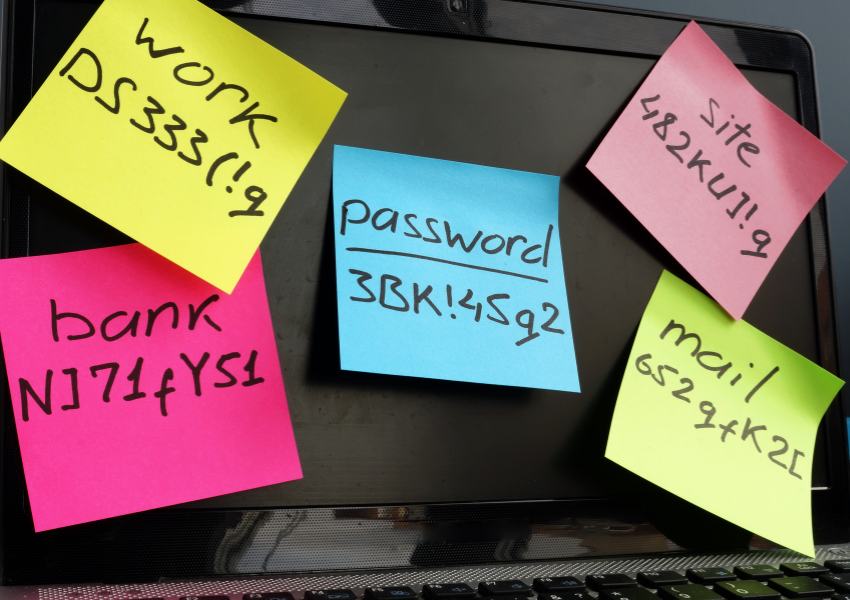
One login. That’s all it takes.
The uncomfortable truth is that most businesses still treat passwords as their primary line of defence, despite years of evidence showing they aren’t enough. People reuse, share, and write them down. People choose convenience over complexity every single day. Cybercriminals know this. In fact, they count on it.
Once an attacker gets hold of a valid set of credentials, they often don’t need to “hack” anything. They just need to sign in. And that’s all it takes. One account and one password to suddenly have a stepping stone. M365, Cloud Storage, Finance Systems, Databases – the dominoes start falling, the attack doesn’t seem suspicious, and victims only realise the damage once it’s too late. What makes identity-based attacks so effective is that the damage isn’t a ransom note and loud flashing sirens. Many times, it’s as quiet as a sensitive file disappearing, a fake invoice, or a phishing email to colleagues from someone pretending to be the CEO. By the time anyone even notices, the attacker may have spent days inside the business accessing crucial confidential data.
The good news? This isn’t an unsolvable problem.
Yes, strong (unique) passwords matter, but they’re only one part of the bigger picture. Here are a few other small steps you can implement which actually make a huge difference:
- Always, always enable two-factor authentication – even on your personal social media.
- Identity and access management is crucial.
- Look into conditional access policies.
- Maintain ongoing user awareness.
We know, you expected us to pitch for Sophos and implement an advanced anti-hacking campaign. But in life, reality and Hollywood are vastly different. Oftentimes, it’s small changes and mindfulness that goes further than theatrics.
Which is why even though things are stressful, we say don’t stress.
Cyber security has changed.
The question is no longer, “why would a hacker target me?”, but rather small ones like, “how vulnerable am I?” or “how strong are our passwords?”.
Small changes, big impacts. And that’s the key to staying Cyber safe.
About Author