
Maximise their online learning experience with Vox Home Fibre
The awareness levels around online learning in South Africa spiked significantly during Covid. That was when some school children around the country – the very lucky ones, even if they didn’t think so at the time! – were able to continue ‘going to school’ during lockdown.
It all seemed quite weird at first, with children suddenly closing themselves into their bedrooms and joining their teachers and classmates on mobile phones and laptops. Everyone was talking about Zoom, Google Meet, Microsoft Teams and other platforms, and the kids’ parents and teachers collectively held their breath to see if it would work.

And it did – sort of. However, quite a few stories came to light later about how some of the kids missed out on understanding crucial foundational steps in Maths, for example – simply because trying to replicate a classroom over a mobile phone in a huge hurry didn’t always translate well when the connections frequently dropped at the wrong time.
(And let’s also be real: Maths is difficult enough for most of us at the best of times, let alone having to suddenly follow the teacher on a tiny phone screen with a bad connection.)

But school communities learned valuable lessons through this trial-and-error period, and still others in the wider teaching community started thinking about how to do online learning even better.
And so, with the pandemic having paved the way – not to mention the significant spike in Home Fibre installations that took place around the country once the lockdown was over – we started finding that even more families, over time, began to think about online learning as a real choice, rather than just an emergency plan B.
Today, online learning is becoming increasingly sophisticated – but before you and your family can even think about going down that road, you need to have excellent connectivity in your home to enable and empower this education option.
Let’s look at some of the realities and advantages of online learning, and how it can enable students around the country. From Bedfordview to Bellville and Ballito; Heuwelsig to Humewood; and Westdene to Westville and Waterkloof Ridge, Vox has you covered across all the major metropolitan areas around the country.
Bridging Geographical Divides
Online learning, by its nature, removes the restrictions of location. When online learning is powered by high‑speed Home Fibre, students from all over the city or country can join the same live lessons or lectures no matter where they’re based, without having to experience constant buffering, dropped calls or audio/video lag.
Fast and reliable internet connections also enable real-time interactive learning. This contrasts with presenting students with a series of video clips, where students must simply watch and listen, and there is no interaction between themselves and the teacher.
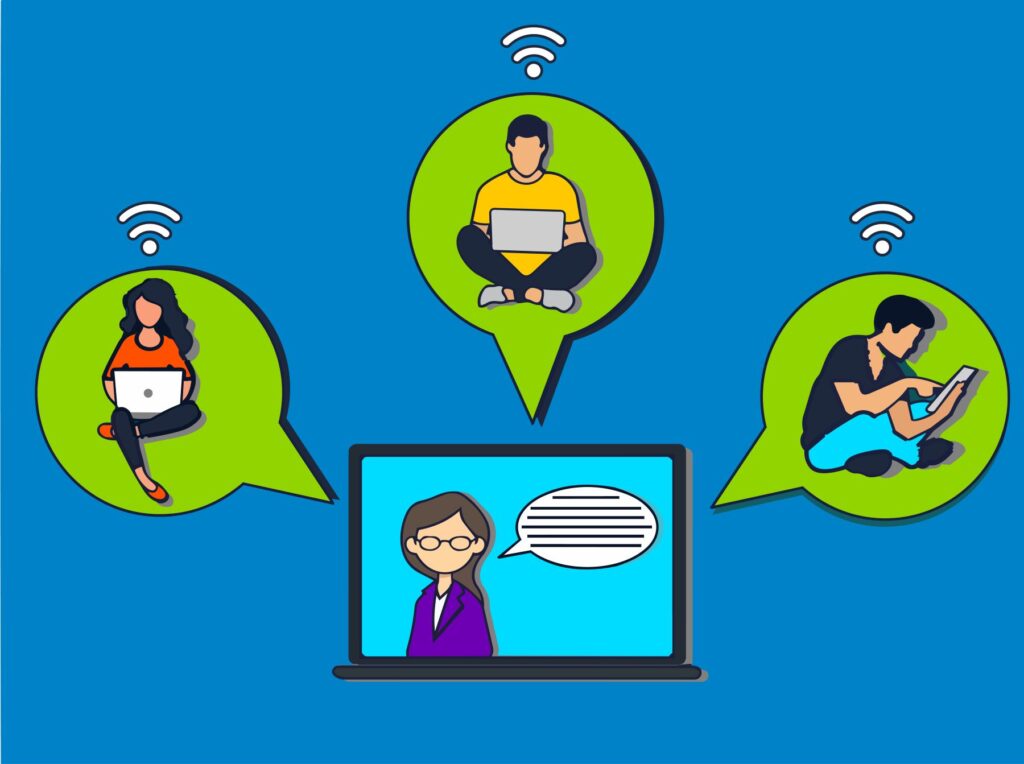
Not having to deal with buffering at the wrong moment also helps to maintain the learning process – students don’t have to miss valuable pieces of information which can then cause consequences to their understanding into Matric and beyond! With minimal delays and fewer interruptions from the ‘wheel of death’, critically important explanations aren’t lost in the middle of a buffering wheel.
Fast Fibre supports stable high-definition presentation that allows learners to see their teacher’s gestures, whiteboard work and demonstrations clearly. It also allows for proper two-way communication in virtual classes. This was something that a lot of the Covid lockdown lessons struggled to get right, at least at first.
Active Two-Way Participation
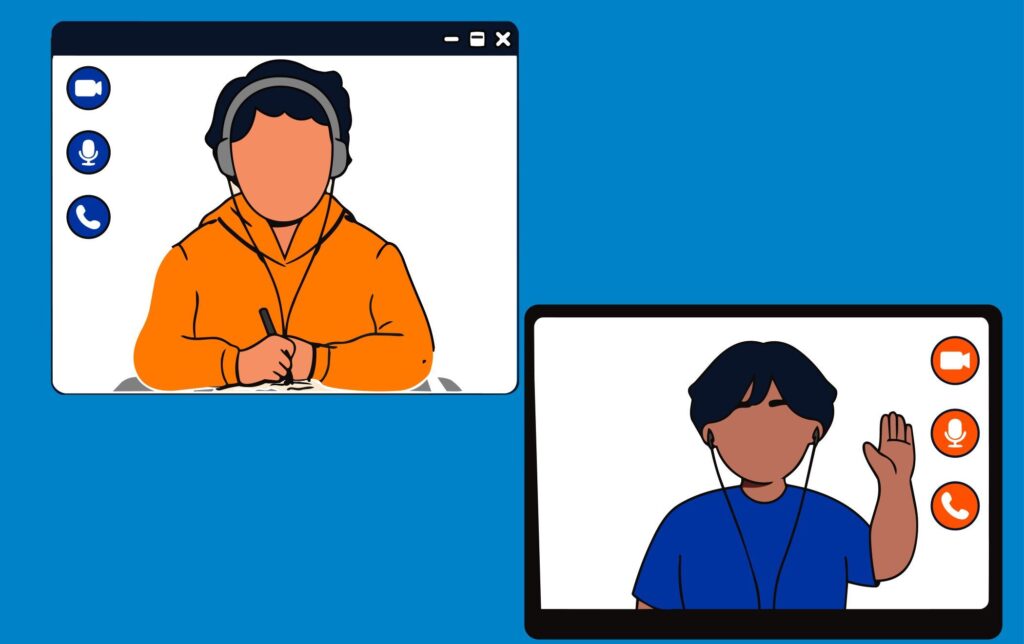
Students with access to fast Fibre packages can join in live discussions, and raise their hands and collaborate together in breakout rooms. And so it’s not just about the individual experience, because high-speed internet enables instant, low-latency communication for group projects, classroom discussions and cloud-based document sharing.
Quick downloads further enable rich multimedia access, including the smooth streaming of large educational files, interactive simulations and virtual labs.
For the teachers, clear audio and video means that they can assess their students’ comprehension and give faster feedback.
Enhancing the Interactive Experience

The tools available to students today are getting better all the time. With access to fast internet, students can download large datasets, lecture videos or course packs quickly and efficiently, as well as stream interactive simulations and virtual labs in real time without lag.
They can also use cloud‑based learning tools and virtual reality (VR) resources without long wait times, which enables hands‑on and immersive remote learning. There are multiple examples of aps that allow students to access vast numbers of past exam papers directly on their mobile devices to help with their exam preparations.
Now add in a layer of AI, and today we have apps that can take the student really deep into the knowledge areas that they are struggling to master. Here, generative AI can act essentially as a private tutor: the student just has to ask the correct questions and give the right commands. If only these apps had existed in those far-off lockdown days…
As mentioned, low latency also facilitates group work, which remains an important part of any syllabus, even when the learning experience is online. Group projects and peer reviews work better when collaboration feels instant. Low‑latency connections enable real‑time editing in cloud documents, where multiple students can type, comment and resolve issues together.

Brainstorming sessions can also take place through video, voice and instant chat, while synchronous whiteboards and screen sharing enable teams to solve problems together as if they were in the same physical room.
Enabling Family Savings
So much for the tech aspects. Online learning can offer savings benefits also.
Without talking about the actual school fees, which of course varies for both online institutions as well as traditional brick-and-mortar schools, it’s clear that everyday savings can take place with online learning.
Just think about the potential savings offered through significantly less petrol costs, parking, and wear-and-tear on vehicles (not to mention less wear-and-tear on tempers as the average weekly driving time is significantly reduced).
With the fuel price currently bringing tears to the eyes of grown men at the petrol pumps, and potholes sometimes turning into informal swimming pools (depending on what part of the country you’re in, of course), many parents with children of school-going or tertiary education ages are being tempted to re-think traditional educational options.

And then, for the parents of older students, there’s also the possibility of saving on accommodation requirements. Online studies can reduce the need for regular commuting – whether by road or rail – as well as term-time accommodation needs. Plus, you can keep an eye on how much beer and other alcohol is really being consumed on Friday nights (just saying)…
Potentially Easing Pressures All Round
And so it’s clear that fast, stable internet does more than simply make an online lesson easier to watch on-screen. It restores the rhythm of learning by facilitating real‑time two-way conversations, enabling group collaboration and giving access to generative resources, while also easing some of the everyday pressures on families.
For parents, students and teachers in South Africa, stretching from Allandale to Zeerust, online learning that’s powered by reliable Home Fibre can have a tremendously positive effect on daily life as well as the overall educational experience – no matter what urban area you’re living in!
To explore Fibre plans and find the right package for your household, visit https://www.vox.co.za and use the Contact or Home Fibre pages to make an enquiry.

And as an added bonus, signing up for Vox Home Fibre can also open the door to Vox Rewards, which is a great added bonus! Vox Rewards is a discount loyalty programme available to new and existing Vox Fibre to the Home customers, which opens access to a wide range of lifestyle benefits that are not simply telecoms-related products – click here to find out more.
FAQs
Will fast Home Fibre stop all interruptions during live classes?
Fast Fibre greatly reduces buffering, dropped calls and lag, but local Wi‑Fi setup, device performance and peak network usage can still affect experience. For best results, use a wired connection or a high‑quality router and make sure that your devices are updated.
Can online practical labs and simulations really work from home?
Yes, many modern virtual labs and interactive simulations are cloud‑based and stream smoothly on a fast connection, allowing hands‑on practice that previously required physical lab access.
How does low latency help group projects?
Low latency means changes appear instantly for all participants. That makes real‑time document editing, live whiteboards and voice/video discussions fluid, improving collaboration and reducing frustration.
Is Vox Home Fibre available everywhere in South Africa?
Availability varies by location. Visit vox.co.za and check the Home Fibre coverage or contact Vox via the website’s enquiry form to confirm availability and talk through plan options for your address.
What is Vox Rewards and how do I benefit from it?
Vox Rewards is a lifestyle loyalty programme that offers qualifying Vox customers discounts in a number of categories including groceries, retail, online shopping, travel, fast food and much more. Check with Vox support for current rewards and how to enrol. Click here to find out more.
About Author