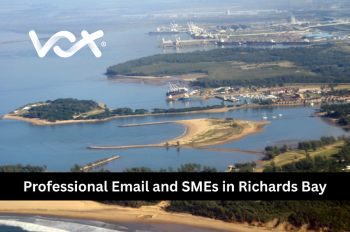
Think of Richards Bay today and a few things might come to mind.
A very deep port.
Coal. Aluminium. Fertiliser.
Pristine beaches, beautiful rolling hills, bird watching and good surfing.
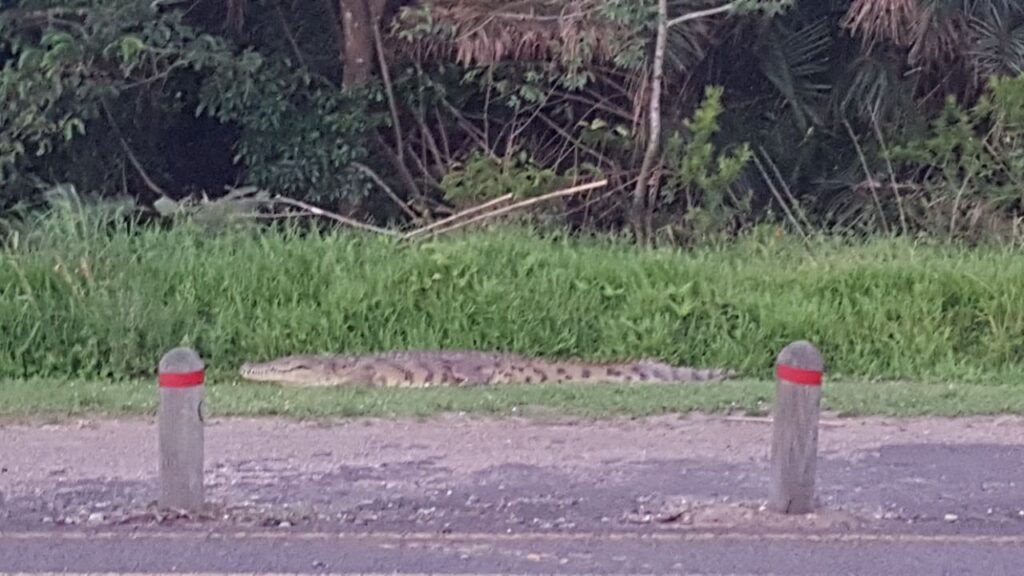
Even the occasional large crocodile going for a walk (do the beaches need croc spotters as well as shark spotters?).
The crocodiles pop up from time to time mainly from nearby Lake Mzingazi, a natural freshwater lake and local wildlife habitat, because Richards Bay, as well as being a bustling industrial port city, is also a key tourist gateway to KwaZulu’s pristine hills and waterways.
It’s located about halfway up the north coast of KwaZulu-Natal between Durban and Kosi Bay, and began its existence as a small fishing town. That sleepy profile changed with the development of the Port of Richards Bay in 1976, which today is South Africa’s deepest and largest port.
So what happens in and around Richards Bay?
Industry and Nature in One Package
The town, which is part of the City of uMhlathuze Local Municipality, has been earmarked as one of the country’s growth and development points. Through the Richards Bay Industrial Development Zone initiative (RBIDZ), the intention is to attract sustainable investments to stimulate economic growth and job creation.
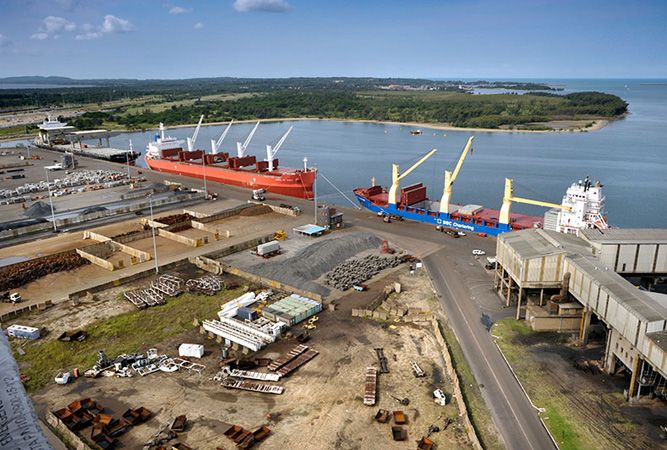
Richards Bay is one of the largest and busiest ports in Africa, handling predominantly bulk cargo including coal, minerals, agricultural products and petroleum. The port is home to the Richards Bay Coal Terminal, the world’s largest coal export facility, and is linked by pipeline to Johannesburg for oil and gas distribution.
Two aluminium smelters, Hillside Aluminium and Bayside Aluminium, are operated by South32, while a Foskor fertiliser plant stands at the harbour. Richards Bay Minerals (part of the Rio Tinto Group) mines iron ore, rutile (titanium oxide) and zircon from dunes close to the lagoon.
But on the other side of the nature versus industry spectrum, it’s also close to the iSimangaliso Wetland Park (formerly known as the Greater St Lucia Wetlands Park), which is a renowned World Heritage Site, and the Hluhluwe-iMfolozi and Enseleni nature reserves. And for bird watchers, also affectionately known as twitchers in some circles, Richards Bay also forms part of the Zululand Birding Route.
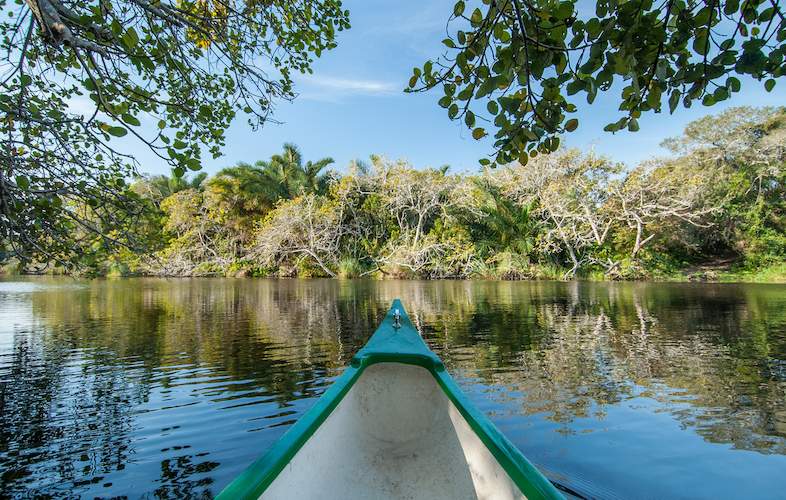
The weather is warm all year round, and tourists can comfortably eat out or visit numerous art galleries, or for the more sports-minded, go fishing, swimming, surfing and canoeing. Those who enjoy a road trip will find, in this gateway to spectacular Zululand, some fantastic drives around the Richards Bay area such as the road to Eshowe from Gingindlovu through the Nkwalini Valley and Empangeni.

And so it’s easy to see that Richards Bay has a lot to offer, and that the big business operations are pretty sorted. The next question is: how exactly could a small business maximise this energy to create its own opportunities?
Tourism Opportunities and SMEs?
Despite excellent industrial growth, Richards Bay still faces significant social challenges, including its high unemployment, which in turn encourages pollution and crime. Major industrial operators like Transnet Port Terminals (TPT) and mining ventures like Richards Bay Minerals (RBM) do (commendably!) run localised social investment, infrastructure development and employment campaigns to counter local poverty.
SMEs could offer another solution. Small businesses matter for regional growth because they are a proven engine of job creation and economic diversification (as outlined here by South African Deputy President Paul Mashatile).
Facilitating SME growth in Richards Bay could help address local unemployment by creating new jobs, supporting local supply chains and retaining tourism revenue within the region. Small businesses are often more nimble than large corporates; they can capitalise quickly on seasonal demand, niche markets and community ties.
SMEs that invest in tourism – potentially some very juicy low-hanging fruit? – are just one example of a sector that could work in the area. As outlined previously, tourism is a vital alternative economic pillar of the region and could create potential openings for SMEs, from boutique hotels and guest houses to restaurants, drivers, tour operators and alternative accommodation like Airbnbs.
However, to scale and compete, SMEs – no matter what industry they operate in – must present a professional, trustworthy image.
Professional Email: A Small Investment with Big Returns
Using consumer email addresses such as a Gmail account for business communications undermines credibility and can reduce conversion rates for bookings, supplier negotiations and B2B partnerships. On the other hand, a professional email address (for example, name@yourbusiness.co.za ) is a simple but powerful tool for SMEs.

Vox provides business email solutions designed for South African SMEs that need a professional, secure and supported service without heavy IT overhead. Vox’s offering can support local companies:
- Branded domains and setup: Vox helps register and configure a custom domain and set up professional email accounts so your business communications carry your name, not a free webmail provider.
- Security and spam protection: Business‑grade spam filtering, malware protection and account safeguards reduce the risk of phishing, lost bookings and reputational damage.
- Migration support: Vox provides migration assistance to move existing messages and contacts from consumer accounts (such as Gmail) to business mailboxes, minimising downtime and data loss.
- Local support and account management: Access to local customer support and account teams means you have a South African partner who understands regional business needs and time zones.
- Scalability and integration: Vox solutions allow you to add mailboxes as your team grows, and to integrate email with calendars and business apps used in hospitality, finance and logistics.
- Cost‑effective plans: Tailored plans for SMEs ensure predictable costs and the ability to scale services as revenue and staffing increase.
Richards Bay’s industrial strength and tourism potential offer fertile ground for SME growth, but realising this potential depends on professionalism and operational reliability.
Professional email is a low‑cost, high‑impact step that enhances credibility, protects bookings and streamlines operations. Vox can guide your business through domain registration, secure setup, migration and on‑going support, helping small businesses present a professional face to tourists, suppliers and corporate partners while contributing to broader regional economic recovery.
To discuss a tailored business email package for your Richards Bay business (or anywhere, really!), contact Vox today or request a demo to see how professional mailboxes will improve bookings, trust and operational efficiency.
FAQs
Why shouldn’t my business use a free Gmail account for bookings and client contact?
Free webmail undermines credibility, increases the risk of messages being flagged as personal or spam, and lacks business‑grade security and management features. A branded email address builds trust and improves conversion.
How long does it take to set up a Vox professional email for a small business?
Typical setup and basic migration can be completed within a few days once the domain and plan are confirmed; full migrations and staff training are usually completed within one to two weeks depending on mailbox volume.
Will professional email help protect customer data and bookings?
Yes. Business email plans include spam and malware filtering, account controls and optional encryption, which reduce phishing risk and protect customer communications and booking information.
About Author