































We’re firm believers that peace of mind is underrated. Especially household peace.
We also believe that few things destroy household peace faster than “broken” Wi-Fi. Yeah, forget politics, burned braai meat, and turns on the Xbox; buffering is this seasons Dr Doom.
On your average day: one kid is on YouTube, the other playing Fortnite, Mom is on a video call and Dad trying to responsibly watch Man United in 4K. Suddenly, everything freezes. Fingers are pointed, voices raised, sanity does a runner – welcome to the Wi-Fi wars.
Let’s fix it.
Understanding the Battlefield.

Most home Wi-Fi isn’t “slow” – it’s just more overwhelmed than a McDonald’s Ice Cream Machine. Today’s modern home is equivalent to a 2009 tech startup, with each containing multiple smartphones, Smart TV’s, laptops, tablets, consoles, cameras, a PC in a corner and that mysterious device nobody can explain.
Each one is simultaneously fighting for bandwidth, and if your line can’t multitask (it happens to the best of us), the whole house is destined to suffer.
So, herewith Rule One:
You can’t use entry-level speeds for heavy duty Wi-Fi use.
Be honest about your usage. If you’re simultaneously streaming Netflix, updating your PS5, Teams calling and downloading from the Cloud, you need serious bandwidth.
Sometimes, you are the problem…
… or maybe your Router is.
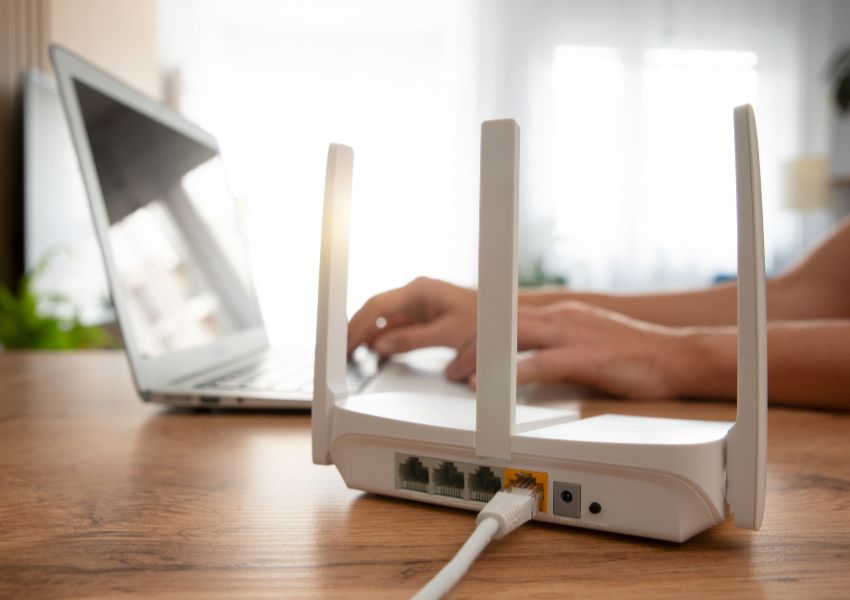
Even lightning-fast Fibre is only as quick as the Router (and its positioning). If you’ve placed yours inside the spare microwave in the garage cupboard, congratulations – you’ve played yourself.
Remember the days when we’d have entire computer stations in the house, complete with external speakers and cd racks? They sat there like modern day shrines to Connectivity – and their modern descendants have similarly royal aspirations. Wi-Fi needs optimal working conditions to perform better; so think open space, central positioning, and elevation. If your signal dies only in specific rooms of the house, you don’t need to invent cuss words, you may just need a better router setup (or to invest in mesh).
Bigger house? You may need a bigger plan:
Many users are surprised when their Wi-Fi doesn’t magically bend around walls. Go figure.
Fact is, everything from concrete to an innocuous appliance can be a signal killer. If you’re living in a mansion, or even a double story place, you should always consider:
- Investing in Mesh
- A Wi-Fi Extender
- A higher speed package
Because the honest truth is that a single router in the lounge is never reaching the outer bedrooms.
So, what’s the real solution?
Simple: start by upgrading the experience.
You see, fast internet isn’t about bragging rights and feeling better than the neighbour. It’s about eliminating buffering wheels, frozen faces on work calls, and PC’s going on vacation when you’ve just had enough and need to clock out.
Sometimes you’re not buying Internet. You’re choosing peace. And, like we said, peace is underrated.
After that? It’s just a series of small stuff, with a lot of mindfulness. Routers, placement, extenders, prioritising traffic and ensuring that the next door neighbour isn’t secretly downloading series are all key fundamentals to making your own Home Wi-Fi run smoother. In short form? All it takes is a bit of research, investing in the correct equipment, and taking the time to understand what makes a conducive environment for better browsing and you’re good to go.
Let’s wrap it up…
The War of the Wi-Fi doesn’t start because of unreasonable families. It starts because your Internet was designed to fail from the offset.
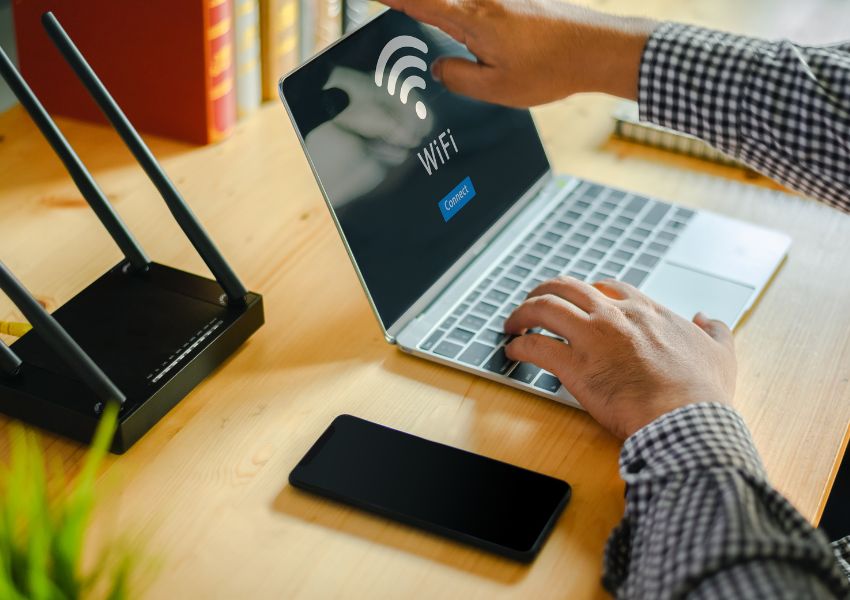
Upgrade your speed.
Optimise your setup.
Say goodbye to buffering.
And let everyone work, play, stream, or anything in between in harmony.
About Author