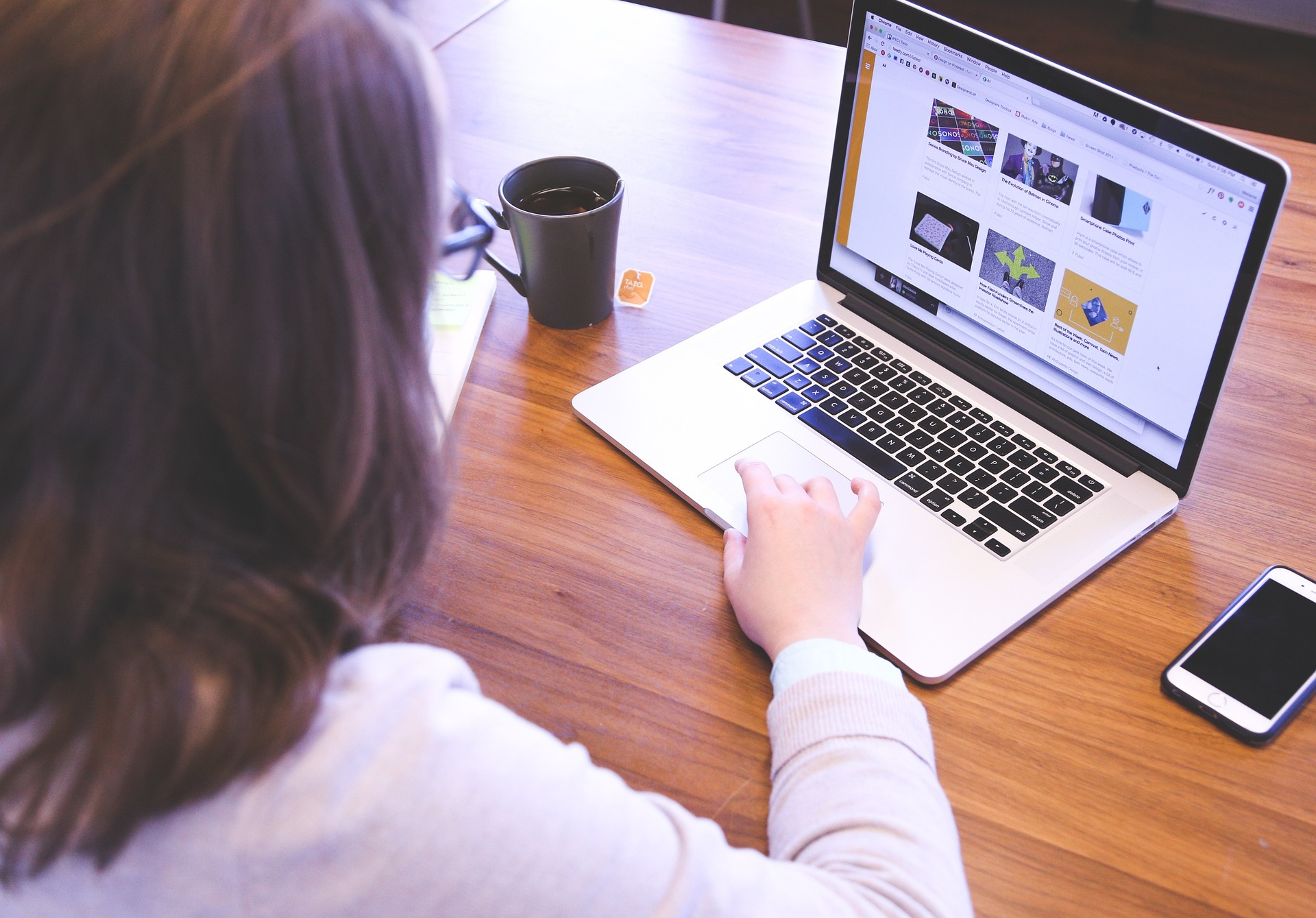
From Sign to Surfing: How Vox Makes Your Home Internet Experience Hassle-Free

The internet is part of everyday life now and something that we access continually, whether it’s for online banking and shopping, working and studying, or gaming and entertainment options.

And the difference between having access to capped versus uncapped data can feel life-changing – not to mention that if you are constantly topping up your data, it can quickly become expensive. In comparison, Fibre to the Home (FTTH) provides lightning-fast, uncapped data – and the cost just might surprise you when you compare it to constantly having to buy data bundles.

Why not check out our Vox FTTH offerings and see how making the switch to uncapped data could change your life for the better?


What’s Your Story?

Almost everyone has had a bad experience with using uncapped data – so what’s yours?

Maybe you were working from home with an urgent deadline, but your Internet wasn’t up to the task and you missed the cut-off. (You also missed out on your next pay increase.)

Or perhaps your data ran out during a job interview? (Another potential salary increase that went whizzing by into the realm of ‘If Only’…)

What about that movie you were really looking forward to watching, but it stopped streaming halfway through? Or the times you were speaking to family members far away and the data-based call dropped, just when the catch-up was getting really enjoyable?

Maybe you were writing an online exam at home, but your data cut out and stopped you from submitting the paper. (You still passed, but that zero really brought down your grade average for the year.)

Kirill Makes Pics Pixabay despaired 2261021 1920 | Vox | From Sign to Surfing: How Vox Makes Your Home Internet Experience Hassle-Free

Running-out-of-data stories generally don’t end with a smile on the storyteller’s face – so maybe it’s time to ditch using a data package that needs constant topping up, and move over to the convenience and enjoyment of fast, uncapped data with Vox’s Fibre to the Home.


Problem, Solution: Enter Vox

If you’re still thinking: “Why Vox Fibre for your Home?” – well, Vox offers access to a home environment where super-fast Internet lets customers stream Netflix or YouTube without the annoying buffering. It allows you to connect multiple devices inside your home, simultaneously, on a single Fibre line. You can surf the Internet – for working, studying, gaming, shopping, socialising or simply being entertained – with no interruptions.

Long story short: Vox FTTH offerings bring you a home in which your Internet experience is reliable and fast (Eskom allowing, of course, and Vox has loadshedding solutions there too).

And not only does Vox FTTH bring you a fantastic Internet experience, it’s also pretty easy to sign up with us.


Easy Steps to Signing Up with Vox

Fibre Coverage?

The first step is checking that Fibre lines have been laid in the ground in your area. Go to the ‘Vox Shop’ to check out the useful coverage map. Simply put in your address – you can have a quick peak at the neighbours’ rooftops and surrounding vicinity if you enjoy cyber-sleuthing – to find out if Fibre to the Home is available in your area. The answer will come up very quickly.

Fibre Package

Next up is to choose a Fibre package option. Once you’ve matched the options to your needs, simply hit the ‘Send’ button and follow the instructions to input your details.

Quotation and RICA Time

Next, you will receive an emailed quote from one of our sales consultants. When you accept the quote, you’ll also need to send in your RICA documents.

  • A quick technical note: By law, you need to follow RICA procedures (the Regulation of Interception of Communications and Provision of Communication Related Information Act), which involves submitting certain documents, like your ID and proof of current address. RICA legislation was enacted to protect the security and privacy of South Africans.


Fibre Installation with the FNO

Once all your documents are processed, Vox will log a call with the relevant Fibre supplier associated with your chosen quotation package.

  • Another quick technical note: As an Internet Service Provider (ISP), Vox works with the Fibre Network Operators (FNOs) who own and operate the Fibre lines in the ground.


It’s a Date!

The relevant FNO will get in touch with you to bring a short Fibre line onto your property. Basically, the FNO’s job is to connect the Fibre outside in the street into your home, ultimately to be connected to your Vox Wi-Fi equipment.

The FNO will plan the route for the Fibre line and the location of the ONT inside your home, which you’ll be asked to accept and sign off.

  • Another quick technical note: The ONT is the Optical Network Terminal and is also commonly referred to as a ‘fibre box’. The ONT is what allows the fibre optic cable to be connected from inside your home, out through your property and to the fibre network at the street.


Once you have signed off the necessary paperwork for the Fibre line handover with the FNO company, it’s back to Vox.

Vox Wi-Fi Router

Vox will deliver your Wi-Fi router by courier. You’ll then set up the Wi-Fi router as per the self-installation instructions, which are simple and clear to understand. Welcome to an online experience that is easy, uncapped and FAST!


Come Home to Vox

Are you ready to make the life-changing move to uncapped data and super-fast internet?

With Vox, you will enjoy uncapped Wi-Fi, with unlimited surfing possibilities, an end to movies buffering, super-fast gaming and a working-from-home experience that, quite simply, works.

Just click here to find out more about signing up for FTTH with Vox.


Frequently Asked Questions

What is Vox Home Fibre and how does it differ from mobile data?

Vox Home Fibre is a fixed fibre connection to your house offering uncapped, high‑speed internet; unlike mobile data, Fibre provides consistent, symmetrical speeds and supports many devices simultaneously.

How do I check if Fibre is available at my home?

Use the Vox coverage map and enter your address. The tool will tell you immediately if Home Fibre is available in your area.

What documents do I need to sign up for Vox fibre?

You’ll need to submit RICA documents: a valid South African ID and proof of current address. RICA is a legal requirement for new internet connections.

What is an ONT and who installs it?

The ONT (Optical Network Terminal) is the fibre box installed by the Fibre Network Operator (FNO) to bring the fibre into your home. The FNO plans the route and hands over the ONT once installed.

Will Vox install my Wi‑Fi router?

Vox delivers your router by courier and provides simple self‑install instructions. Support is available if you prefer guided setup.

How long does installation take after I accept the quote?

Installation lead times vary by area and FNO schedules. After you accept the quote and submit RICA documents, Vox and the FNO will confirm an installation date.


 

How Internet Access is Changing Life for South Africans

Working together to build inclusive internet access can improve people’s lives.


Connectivity through the internet brings many benefits, but while internet access is something that many of us take for granted, accessing its benefits is still a challenge for many South Africans.

Greater connectivity allows people to learn new skills and advance their abilities. It also allows employers and businesses to create opportunities that will unlock future jobs and drive our economy forward.

The internet, you could say, opens up the highway to the future, providing tools, skills, benefits and opportunities. Like access to regular and efficient electricity and water supplies, reliable internet access should be part of modern life for everyone.


A New Basic Necessity

According to the World Bank[1], high-speed internet access is not a luxury, but a basic necessity for economic and human development in both developed and developing countries.

The World Bank clarifies: “(The internet) is a powerful tool for the delivery of essential services such as education and healthcare, offers increased opportunities for women’s empowerment and environmental sustainability, and contributes to enhanced government transparency and accountability. It also helps foster the social development of communities, including within the broader global context.”

The World Bank adds that the challenge is to expand broadband access to all, noting that: “Only about 35 percent of the population in developing countries has access to the Internet (versus about 80 percent in advanced economies).”

So where does that leave South Africa?


Spotlight on SA

The Independent Communications Authority of South Africa (ICASA) says: “As of October 2022, some 78% of South African households had access to or had used the Internet in some form or another. This includes access at home, at work, at their place of study, via an Internet café, or at a public hot spot. This represents a dramatic increase from the national average of a mere 28% from ten years ago.”

At almost 80% access, this is a surprisingly hopeful statistic. We could argue that, even if not everyone in the home is internet-savvy, having just one person in the household who is able to access the Internet is beneficial in some form or another.

However, ICASA also goes on to add the following warning: “Worrying though, Internet access at home (largely by means of a device such as a laptop computer or tablet) continues to languish at around a mere 10% of households.”

In other words, those in South Africa who actually have access to the internet at home through a laptop or tablet computer – and not only via a smart phone – number only about one in 10 households.

As ICASA points out: “…substantial and active steps remain necessary to address South Africa’s digital divide, a divide that separates urban and rural, rich and poor, men and women, and that prevents far too many of our people from exercising their fundamental human rights. Indeed, access to the Internet is now widely accepted as a fundamental human right in its very self.”

Internet access has the capacity to change and improve the lives of our citizens, from those in rural areas and small towns to metropolitan hubs. No matter where in the country we are, the internet brings new possibilities – provided, of course, that our citizens have access to it.


Benefits of Internet Access

The benefits of internet connectivity include the following: access to information; communication possibilities over various online platforms; educational opportunities; remote working possibilities; entertainment via online streaming, gaming, YouTube, TikTok and more; online shopping; banking and investment applications; and security through CCTV access – to name just a few.

Let’s unpack a few of the ways in which internet access has changed – or is changing – people’s lives in South Africa.

  • Information Access: The Internet democratises information access and makes it possible to communicate with people all over the country, in real time. Email, instant messaging, and social media platforms like Facebook, Twitter and Instagram have made it possible to share news, views and opinions, and join in conversations – without needing to wait for the ‘official’ news to break the story.
  • Lower Communication Costs: Using an internet-enabled app on your smartphone is generally cheaper than a landline or normal mobile call (check out Vox’s Vobi app for smartphones here).
  • Online Banking and eWallets: Mobile banking allows users to access and manage their bank accounts and financial information without needing to physically go to the bank all the time. In addition, eWallets are instant, easy and secure, and are offered by all the big banks, as well as some other services, bringing consumers an instant, easy and affordable money transfer service that allows anyone to send money to anyone else.
  • ICT-Related Jobs: The rolling out of internet infrastructure, such as fibre or wireless technology, brings employment opportunities to people across communities, including fibre installation, route surveying, network design and service provisioning. Here at Vox, our journey first began in 1998 with around 20 employees. Today, we employee almost 2,000 employees and interact with several business partners, while our numbers continue growing every month – we are proud to play our role in facilitating employment growth in South Africa. If you’re interested, view our job opportunities here.


On the flip side, the rise of internet connectivity has also enabled e-hailing – giving rise to fleets of drivers for apps like Uber, Bolt and others – while online shopping for groceries and takeaways has brought a new dynamic to our city roads in the form of death-defying motorbike riders bringing groceries and foods to households as fast as is humanly possible.

  • Satellite Connectivity in Remote Areas: Satellite Internet has become a game-changer for those living in rural or outlying areas, where Fibre and Wireless Internet options aren’t available. Check out our Vox Satellite options – we offer high-speed Internet, independent of conventional cabling, across the country. And unlike some others, we’re here to stay – we’ll never pull out of SA Inc.
  • Access to Weather Updates: Just for fun but still important: Vox Weather brings you the weather details through the internet. It’s a fantastic service for anyone whose job requires knowing whether thunderstorms or snow are on the horizon, as well as for the rest of us who just want to know how to dress for the day.


ICASA Assists in Democratising Broadband Access

The digital divide in South Africa is multi-faceted, encompassing not only the availability of technology but also access.

According to ICASA, the successful 2023 auction – after years of waiting for finality – of broadband radio frequencies that enable the implementation of 4G and 5G radio waves, will bring the country a significant step closer to achieving universal access and service.

ICASA gave six companies licences to acquire a large amount of additional spectrum that is suitable for providing voice and data services in both urban and rural areas. Consumers can expect greater levels of access and enhanced quality of service, giving them faster download speeds, lower latency, more capacity and connectivity for millions of connected devices. This in turn will pave the way for far better access to online information and content.

In addition, which is probably less universally realised and a Really Good Thing, ICASA has imposed a number of service obligations on the companies that bought spectrum in the auction. These obligations are aimed at increasing the pace of network rollout in previously under-served areas, and include providing connectivity to public institutions.

The licence-holders are required to connect over 18,000 government schools, over 3 900 government clinics, more than 1 700 government hospitals, over 550 police stations, and 8 200 traditional authorities (tribal offices), as well as providing zero-rated access to a range of public benefit websites, including .gov.za websites.

At Vox, we look forward to hearing positive news of this ICASA rollout, as it will move the country closer to having all its citizens able to enjoy their human rights through connectivity.


The Final Word

Between laptops, tablets and mobile phones, internet access is now enabled on the move in today’s world. Even if a smartphone is the only electronic communication device that an individual has, it is capable of giving full and widespread access to the internet in a way that was unheard of just 15 years ago.

There are other ways in which the future is already here. Smartphones today can also understand complex spoken commands; make reservations for entertainment or eating out options; control a smart home; be used to play a sophisticated video game; and stream 4K video.

But that’s a different story – a sequel maybe? Watch this space.

john mark arnold soMvIOHmdgM unsplash | Vox | How Internet Access is Changing Life for South Africans


[1] The World Bank is an international development organisation owned by 187 countries. It provides loans and grants to the governments of low- and middle-income countries to help them pursue project to improve their economies and also improve the standard of living of their citizens.