Vox MTN LTE-A Promotion: Double the FUP, Double the Fun This Festive Season

With Vox and MTN LTE Uncapped Packages


In the spirit of giving back, Vox and MTN are running a fantastic Vox MTN LTE-A promotion to give you double the FUP, and more than double the fun.

“Double the what?” – yes, it’s a fair question.

In short, our promo gives you double the allocated data bundle, free of charge, till the end of January 2025.

Let’s see what you and your family can do with double the FUP when you sign up for a Vox MTN LTE Uncapped package.

But first – what does FUP actually mean?

To ensure fair use on the MTN network (and ISP networks in general), your maximum download and upload speeds will be adjusted if you consume more data in the specific month than the Fair Usage Policy, or FUP limit, of your selected plan.

This is called ‘speed throttling’ and it plays an important part of the FUP rules for your selected plan. If your Internet usage speed is throttled, you will still have use of the service at the adjusted rate until the next month, when your normal maximum speed is restored.

Let’s unpack it.

Sharing is Caring

This is how speed throttling works.
architecture 1837176 1920 | Vox | Vox MTN LTE-A Promotion: Double the FUP, Double the Fun This Festive Season

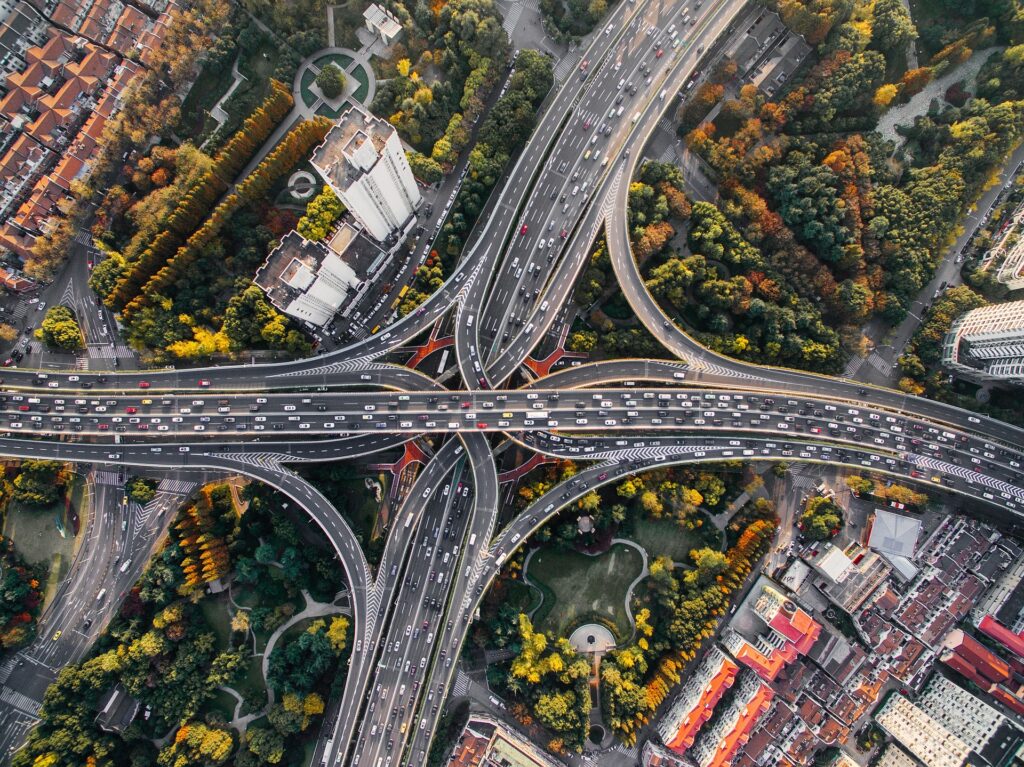
Imagine a multi-lane highway of holidaymakers all heading down to the coast. Everyone is keeping nicely to the rules of the road and sharing the infrastructure, except for a small group of road hogs swerving in and out of the lanes and taking up most of the road, trying to get there faster and inconveniencing everyone else in the process. Just because, you know, they’re ‘special’.

Because of their assumption that they own the road, everyone else is forced to repeatedly hit the brakes. And then, tada! – the Highway Police arrive and put a stop to their high jinks. While the road hogs are pulled over and put in their place, everyone else is able to continue travelling again at a decent speed, as per how the highway was designed to be used by all.

Well, FUP is all about making sure the Internet ‘highway’ is used fairly by everyone in a way that the designated infrastructure allows – and speed throttling plays an important part in doing this.

What’s FUP, Guys?

As outlined above, Fair Usage Policy (FUP) is a set of guidelines imposed by Internet Service Providers (ISPs) to ensure fair and equal access to the Internet for all users. It’s designed to prevent network abuse and congestion by placing limits on the data usage of individual subscribers, especially at peak usage times.

If you use more than a certain, predetermined ‘fair’ amount of data in a given timeframe, your line speed could be slowed down during peak times to give other users fair access to the network.

In essence, FUP is designed to prevent a few users from hogging the available bandwidth, thereby causing shared services to become unavailable for others. And so, if you’ve ever found that your broadband speed has suddenly slowed down significantly, you might have just been FUPPED. You were one of the roadhogs!

Or, to put it in terms that might appear in your contract: “When you reach your FUP, your speed will be throttled up to 1Mbps.”

In simple terms, being throttled means that your upload and download speeds will be significantly reduced. You just got pulled over – except that the ISPs are nicer than the Highway Police and they let you off with a warning.

lego 5567753 1920 | Vox | Vox MTN LTE-A Promotion: Double the FUP, Double the Fun This Festive Season

That’s because with FUP, your ISP doesn’t send you to jail and stop your Internet usage completely, but instead allows you to continue accessing the Internet and ‘keep on driving’ – just significantly slower for a while. By restricting individuals’ bandwidth, more people can use the Internet service at the same time.


The Convenience and Quality of LTE-A Connectivity

With high-speed, top-quality Internet access, Fixed LTE-A offers connectivity that provides near-Fibre like experiences, together with hassle free installation: a plug and play service means no waiting for fixed line installation.

In addition, where Fibre networks might take weeks or months to roll out and to install, Fixed LTE-A is a rapid order-to-installation product – whenever there is high-density Fixed LTE-A coverage, the time to deliver quality Internet access is between seven to 10 days – another win as we approach the festive season!

go sign 2816455 1920 | Vox | Vox MTN LTE-A Promotion: Double the FUP, Double the Fun This Festive Season

Enough Bandwidth for the Good Times

Many people are still on vacation quite late into January, after which they go back to school, varsity / college, and work. And so now we see the real advantage of signing up for the promo – increased data consumption! (And as mentioned previously – free of charge!)

Different apps have different data appetites – streaming on Netflix or Showmax in HD will consume more data than just reading an article online, and downloading a game eats up more data than actually playing it.

Here are some everyday activities that you and your family are likely to be doing more of at this time of the year, together with their possible hourly data consumption rates:

  • Web browsing: Approximately 50 to 70MB per hour.
  • Streaming video: High-definition (HD) video can consume up to 8GB per hour.
  • Online gaming: Up to 100MB per hour.
  • Social media: Platforms like Instagram and Facebook can use around 200MB per hour.


Vox and MTN Fixed LTE-A Promo Offerings

The current promotion applies to two of our Vox Fixed MTN LTE-A offerings, as follows:

Normal Offering:

  • R849 per month: Uncapped with normal FUP of 1,000GB (ie line speed is throttled back for the rest of the month when you / your household have used 1,000GB of data).
  • R499 per month: Uncapped 50MBps with normal FUP of 500GB (line speed is throttled for the rest of the month when 500GB of data usage is reached).

Promotional Offering:

During the promotion period, the Uncapped 1,000GB FUP offering will be extended to 2,000GB, and the uncapped 50Mbps FUP offering will be doubled to 1,000GB (1TB of data usage).

RICA documents will be required when ordering Vox Fixed MTN LTE-A and these are:

  • A certified copy of your ID; and
  • Proof of your residential address that is not older than three months.

A Great Start to the Year

With the Vox / MTN Uncapped LTE promotion, we’re offering you – free of charge – double the bandwidth before FUP is applied, on the specified packages.

  • No more slow internet
  • Stream without buffering
  • Connect to multiple smart devices
  • VoIP calling and lightning-fast connection
  • Efficient for going back to work and studies

AdobeStock 399195503 resized 3 | Vox | Vox MTN LTE-A Promotion: Double the FUP, Double the Fun This Festive Season

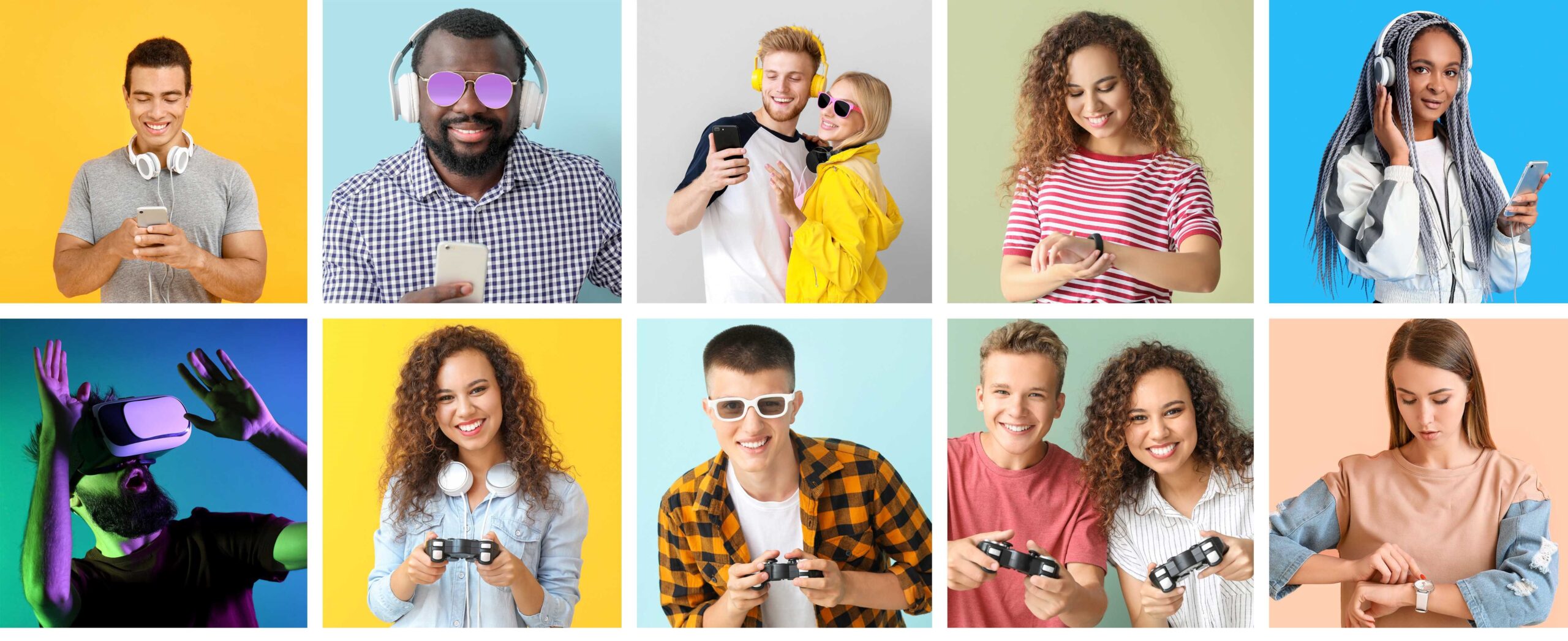
From video calls to streaming entertainment, gaming and online shopping, Vox and MTN’s Fixed LTE Uncapped Double the FUP deal has you covered to ensure that your Internet connection is up to the task and ready to manage the digital demands of you and your family.

You can click here to find out more .
Has Modern Internet Usage Made Us More Vulnerable?

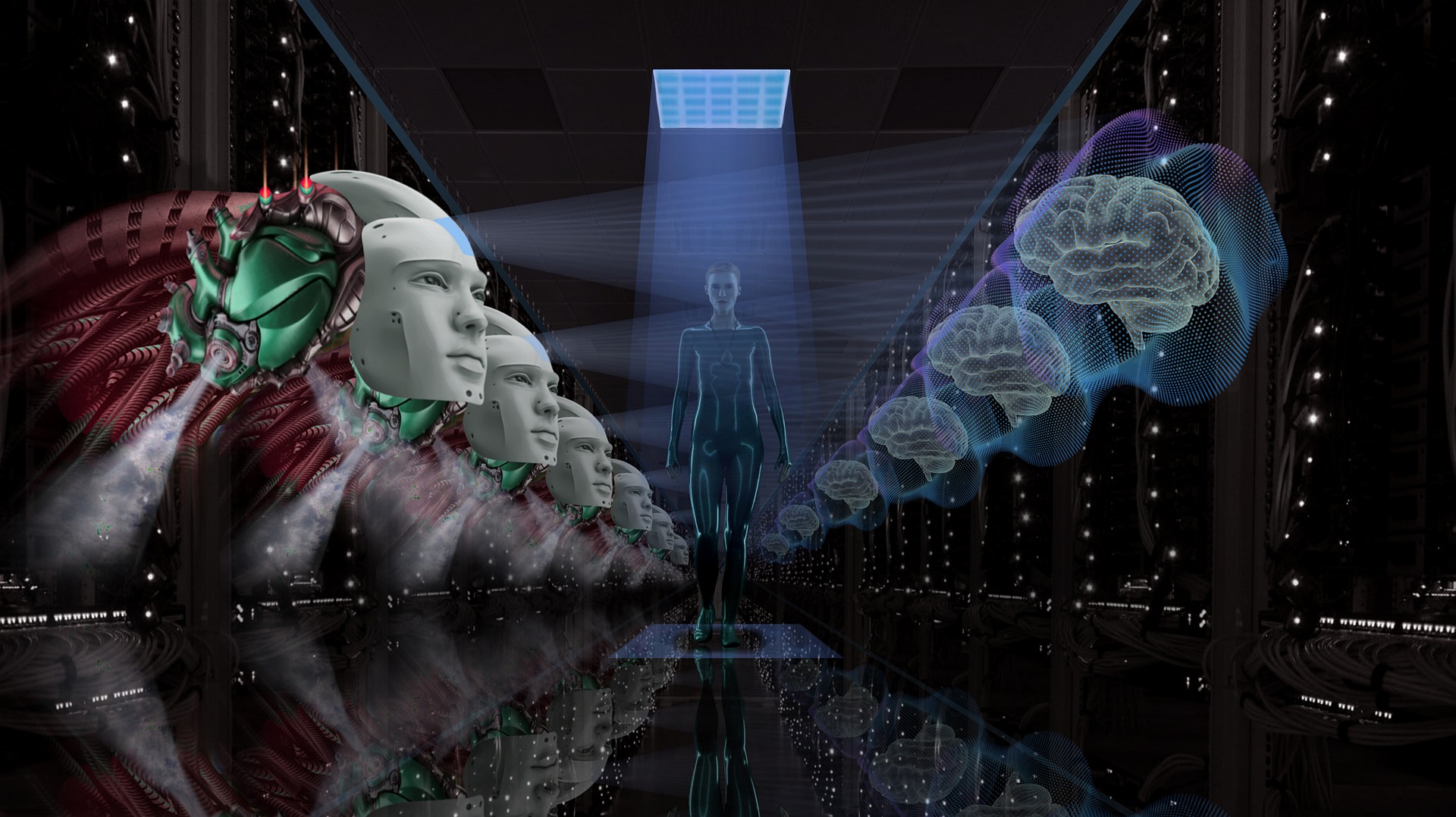
Imagine a world in which people are completely reliant on a Super-Machine for all their needs…


Living in self-contained areas, they have little social contact, but are content because they’re sheltered and warm, with access to food, communication and entertainment – all enabled by the Machine. But one day the Machine goes down, and society crashes into a new reality. Does it sound… plausible? This is actually the plot of a science-fiction book written by EM Forster, called ‘The Machine Stops’.

In the real world, when people ‘sheltered in place’ during the Covid-19 pandemic, South Africans embraced online communication, shopping, banking, remote working and entertainment like never before – and when the pandemic eased, many people didn’t particularly want to go back ‘outside’ in quite the same way.

christin hume hBuwVLcYTnA unsplash | Vox | Has Modern Internet Usage Made Us More Vulnerable?


So even though we aren’t living in the sci-fi world of ‘the Machine’, the question is: How reliant are people today on the Internet? And has modern Internet usage made us more vulnerable to previously unimagined threats? The answers might be a bit shocking.


The Power’s Out

Let’s start with one of the basics: electricity. In South Africa, we’re used to power outages. Over time, we’ve come up with multiple solutions to deal with challenges like no heating or lights, cooking on gas instead of electricity, and having the Wi-Fi go down. But that was all because of Eskom’s troubles, which (whisper so as not to jinx things) might be on the mend at last?

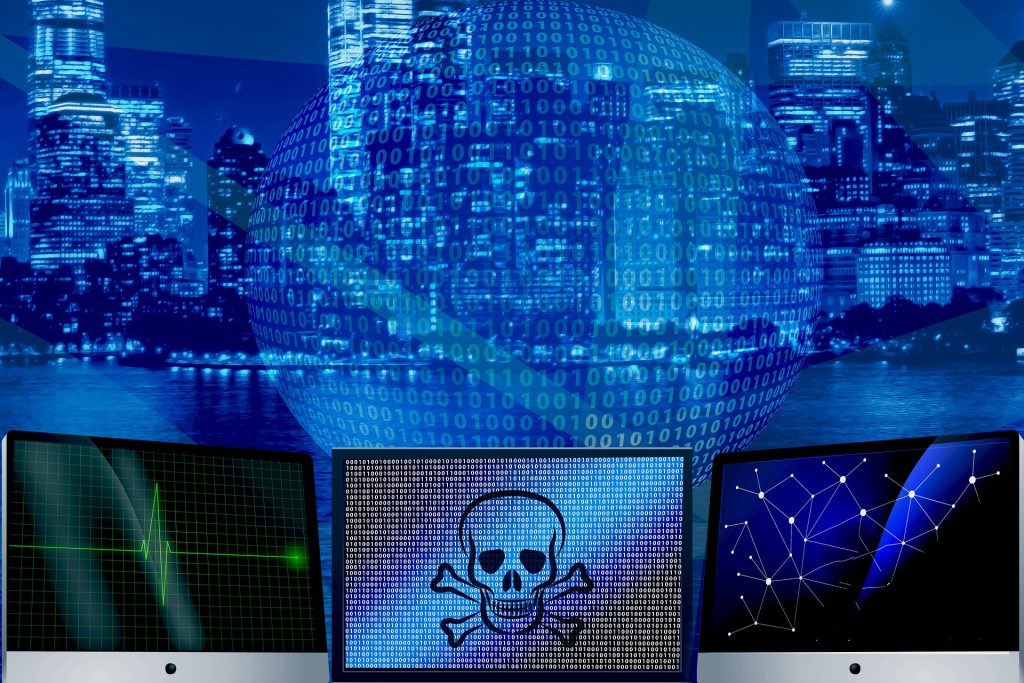
Much more alarmingly, there are places in the world where the power can be taken out by acts of war, because the rise of technology means infrastructure is now linked to the online world. This brings improved functionality to critical national infrastructure sites around the world, but also new vulnerabilities – including electricity grids.

digital 4683519 1920 Infrastructure threat | Vox | Has Modern Internet Usage Made Us More Vulnerable?

For example, Ukraine has experienced documented cases of cyber attacks on its power grid that have been attributed to its Russian enemies, in addition to actual physical attacks via traditional weapons of war.

The reality is that the Internet is now so intricately involved with our critical infrastructure that power outages – which can be life threatening in some situations – can be caused by online activity as well as physical damage. So yes – modern Internet usage has definitely made us more valuable to this particular threat.


The Internet of Threats

On a smaller scale than targeting national infrastructure, there are other ways in which the Internet can cause us to be vulnerable in our daily lives.

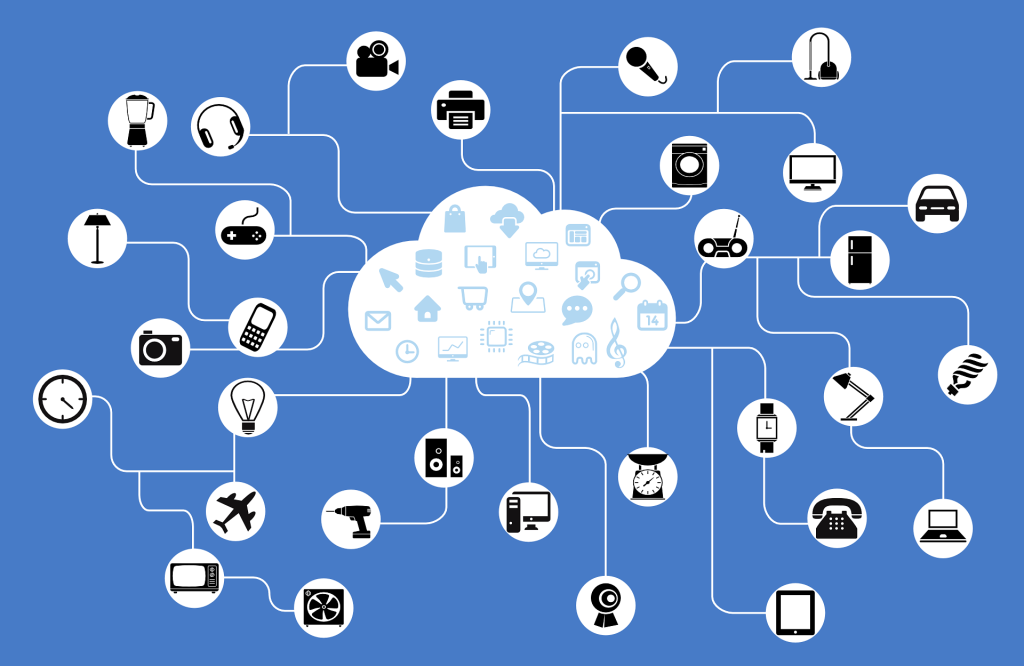
We’re used to connecting different devices to the Internet, including industrial sensors and CCTV cameras, as well as home devices such as security cameras (again), Internet routers, smart utility meters, connected TVs, and monitors for our small children’s bedrooms. Together, they form part of the Internet of Things (IoT), geared to make life easier.

network 782707 1920 | Vox | Has Modern Internet Usage Made Us More Vulnerable?

However, many of these devices are set up with a default password already installed -that is something as basic as ‘Password’ – with the onus on the owner or installer of the IoT device to change it once in use. But frequently, the password isn’t changed – and in addition, there are lists of widely available (if you know where to look) IoT device passwords available on the Internet for threat actors to access quite easily.

The danger of IoT devices being hacked includes strangers spying on your home and frightening your kids through the baby monitor (yes, this really has been done), as well as, at a more industrial level, being turned into ‘zombie bots’. The so-called zombies become part of a botnet – a network of private computers or IoT devices infected with malicious software, and controlled as a group (without the individual owners’ knowledge) to carry out cyber crimes.

In late May 2024, the US Federal Bureau of Investigation (FBI) carried out an operation to take down what was thought to have been the world’s biggest-ever botnet, made up of millions of computers, in nearly 200 countries, that had been infected with malware. Selling access to this network enabled serious crimes around the globe, including financial fraud, identity theft and bomb threats.

ai generated 8362805 1920 Pete Linforth | Vox | Has Modern Internet Usage Made Us More Vulnerable?

It sounds like something from the movies, but unfortunately it’s not – it’s a reality today of modern Internet usage. So how do people and countries protect themselves from such possible cyber threats?


Protecting Your Data and Yourself

There’s obviously not a great deal that individuals can do to protect national infrastructure – that’s up to the sovereign nations concerned. As far as IoT devices are concerned, hopefully manufacturers, service providers and security experts are becoming more invested in developing effective strategies to improve their security – but it’s imperative that the consumer also shares the responsibility.

Here are some tips to make yourself less vulnerable to Internet threats:

  • For any device in your home: change the default password to something stronger.
  • Ensure that you have a strong Wi-Fi password for your home network.
  • Install all updates from the manufacturer to ensure you have the latest security patches.
  • Install, and then continue to update, anti-virus and malware software on your computers.

We are definitely more connected today than ever before – even if not actually within an all-powerful Machine – but at the same time, we have also become more vulnerable to threats from the Internet. Terrorists and criminals have shown their ability – and unfortunately their willingness – to use technology to harm countries, organisations and individuals. The reality is that no one is immune.

Here at Vox, we understand the vulnerability that comes with modern Internet usage. The only way to stop cyber criminals from making use of ‘the Machine’ in ways that unleash harm is to be constantly more aware and proactive.


android 7711290 1920 | Vox | Has Modern Internet Usage Made Us More Vulnerable?