Has Modern Internet Usage Made Us More Vulnerable?

Imagine a world in which people are completely reliant on a Super-Machine for all their needs…


Living in self-contained areas, they have little social contact, but are content because they’re sheltered and warm, with access to food, communication and entertainment – all enabled by the Machine. But one day the Machine goes down, and society crashes into a new reality. Does it sound… plausible? This is actually the plot of a science-fiction book written by EM Forster, called ‘The Machine Stops’.

In the real world, when people ‘sheltered in place’ during the Covid-19 pandemic, South Africans embraced online communication, shopping, banking, remote working and entertainment like never before – and when the pandemic eased, many people didn’t particularly want to go back ‘outside’ in quite the same way.

christin hume hBuwVLcYTnA unsplash | Vox | Has Modern Internet Usage Made Us More Vulnerable?


So even though we aren’t living in the sci-fi world of ‘the Machine’, the question is: How reliant are people today on the Internet? And has modern Internet usage made us more vulnerable to previously unimagined threats? The answers might be a bit shocking.


The Power’s Out

Let’s start with one of the basics: electricity. In South Africa, we’re used to power outages. Over time, we’ve come up with multiple solutions to deal with challenges like no heating or lights, cooking on gas instead of electricity, and having the Wi-Fi go down. But that was all because of Eskom’s troubles, which (whisper so as not to jinx things) might be on the mend at last?

Much more alarmingly, there are places in the world where the power can be taken out by acts of war, because the rise of technology means infrastructure is now linked to the online world. This brings improved functionality to critical national infrastructure sites around the world, but also new vulnerabilities – including electricity grids.
digital 4683519 1920 Infrastructure threat | Vox | Has Modern Internet Usage Made Us More Vulnerable?

For example, Ukraine has experienced documented cases of cyber attacks on its power grid that have been attributed to its Russian enemies, in addition to actual physical attacks via traditional weapons of war.

The reality is that the Internet is now so intricately involved with our critical infrastructure that power outages – which can be life threatening in some situations – can be caused by online activity as well as physical damage. So yes – modern Internet usage has definitely made us more valuable to this particular threat.


The Internet of Threats

On a smaller scale than targeting national infrastructure, there are other ways in which the Internet can cause us to be vulnerable in our daily lives.

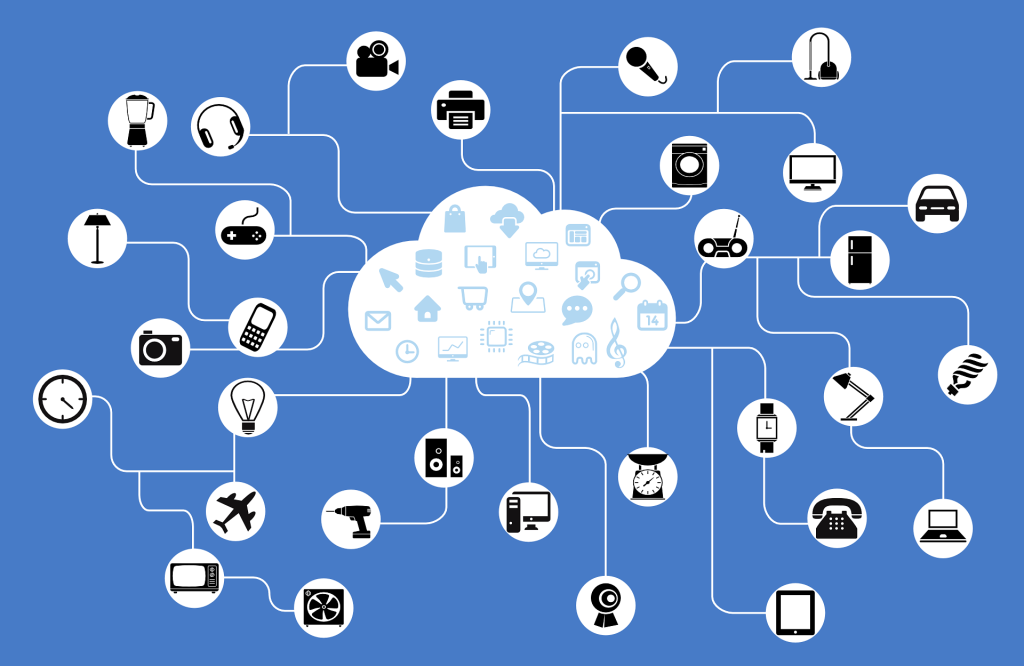
We’re used to connecting different devices to the Internet, including industrial sensors and CCTV cameras, as well as home devices such as security cameras (again), Internet routers, smart utility meters, connected TVs, and monitors for our small children’s bedrooms. Together, they form part of the Internet of Things (IoT), geared to make life easier.
network 782707 1920 | Vox | Has Modern Internet Usage Made Us More Vulnerable?

However, many of these devices are set up with a default password already installed -that is something as basic as ‘Password’ – with the onus on the owner or installer of the IoT device to change it once in use. But frequently, the password isn’t changed – and in addition, there are lists of widely available (if you know where to look) IoT device passwords available on the Internet for threat actors to access quite easily.

The danger of IoT devices being hacked includes strangers spying on your home and frightening your kids through the baby monitor (yes, this really has been done), as well as, at a more industrial level, being turned into ‘zombie bots’. The so-called zombies become part of a botnet – a network of private computers or IoT devices infected with malicious software, and controlled as a group (without the individual owners’ knowledge) to carry out cyber crimes.

In late May 2024, the US Federal Bureau of Investigation (FBI) carried out an operation to take down what was thought to have been the world’s biggest-ever botnet, made up of millions of computers, in nearly 200 countries, that had been infected with malware. Selling access to this network enabled serious crimes around the globe, including financial fraud, identity theft and bomb threats.

ai generated 8362805 1920 Pete Linforth | Vox | Has Modern Internet Usage Made Us More Vulnerable?

It sounds like something from the movies, but unfortunately it’s not – it’s a reality today of modern Internet usage. So how do people and countries protect themselves from such possible cyber threats?


Protecting Your Data and Yourself

There’s obviously not a great deal that individuals can do to protect national infrastructure – that’s up to the sovereign nations concerned. As far as IoT devices are concerned, hopefully manufacturers, service providers and security experts are becoming more invested in developing effective strategies to improve their security – but it’s imperative that the consumer also shares the responsibility.

Here are some tips to make yourself less vulnerable to Internet threats:

  • For any device in your home: change the default password to something stronger.
  • Ensure that you have a strong Wi-Fi password for your home network.
  • Install all updates from the manufacturer to ensure you have the latest security patches.
  • Install, and then continue to update, anti-virus and malware software on your computers.

We are definitely more connected today than ever before – even if not actually within an all-powerful Machine – but at the same time, we have also become more vulnerable to threats from the Internet. Terrorists and criminals have shown their ability – and unfortunately their willingness – to use technology to harm countries, organisations and individuals. The reality is that no one is immune.

Here at Vox, we understand the vulnerability that comes with modern Internet usage. The only way to stop cyber criminals from making use of ‘the Machine’ in ways that unleash harm is to be constantly more aware and proactive.

 

android 7711290 1920 | Vox | Has Modern Internet Usage Made Us More Vulnerable?

‘Stranger Danger’ From Just One Click

We teach children to look both ways before crossing the road — we should teach employees the same caution online. Phishing and malicious attachments are the “stranger danger” of the Internet: an email that looks legit can be the single click that opens a door to ransomware, data loss and costly downtime. Organisations can reduce risk dramatically by equipping people with simple, repeatable habits and the right protections.

Phishing is a fraudulent email or message designed to trick people into clicking links or opening attachments that install malware or steal credentials. One careless click can allow attackers to deploy ransomware or access sensitive company data.

Don’t click: how phishing works

Cyber criminals impersonate trusted organisations or colleagues, craft urgent requests, or hide malicious links in seemingly normal documents. The attack chain is often short: a convincing message → one click or opened attachment → malware executes → attackers escalate access or encrypt files. That single step is why “stranger danger online” is so effective.

Ransomware attacks unleash havoc

When malware runs on one device it can move laterally across a network, encrypting files and disrupting operations. Recovery can be lengthy and expensive; backups, endpoint protection and incident response plans reduce harm, but stopping the initial click is the most cost‑efficient defence.

Look both ways: how to spot phishing — 5 quick checks

  • Check the sender address (does it match the organisation, not just the display name?).
  • Hover over links to view the real URL before clicking.
  • Don’t open unexpected attachments — confirm with the sender first.
  • Watch for urgent language, threats or inconsistent tone and spelling.
  • Verify payment or credential requests with a separate call to the sender.

How to help employees become cyber‑smart

  1. Train: regular, bite‑sized awareness sessions that explain phishing examples and reporting steps.
  2. Test: run simulated phishing campaigns and give immediate feedback to anyone who clicks.
  3. Enforce: use technical controls (MFA, endpoint protection) and clear reporting routes so staff act quickly.

Joint responsibilities — people, process, products

Security is everyone’s job. Employees need awareness and reporting channels; managers must model safe behaviour and enforce policies; IT should deploy prevention tools and run simulated exercises. Combine behaviour change with product protections like phishing simulations and endpoint defences to lower organisational risk.

A quick tip on reporting and response

If you suspect an email is phishing: don’t click the link, screenshot the message, forward it to your IT security team (or quarantine it), and change exposed passwords if you believe credentials were entered. Rapid reporting shortens the mean time to detect and contain costly threats.

Learn more about our cybersecurity solutions and protective services.

Frequently Asked Questions

  1. What is a phishing email?
    A phishing email impersonates a trusted sender to trick recipients into revealing credentials or opening malware‑bearing attachments.
  2. How can one click cause a ransomware attack?
    A malicious attachment or link can install malware that encrypts files and spreads across a network, forcing an organisation to restore from backups or pay a ransom.
  3. How do I spot a phishing email?
    Check the sender address, hover links to see the real URL, avoid unexpected attachments, watch for urgency or greedy requests, and verify with the sender if unsure.
  4. What should employees do if they suspect phishing?
    Do not click; report the message to your security or IT team, quarantine the email if possible, and change any potentially exposed passwords.
  5. Are simulated phishing campaigns effective?
    Yes — regular simulations with immediate, contextual training reduce click rates and reinforce safer online behaviour.
  6. What is multi‑factor authentication (MFA) and why use it?
    MFA requires an extra verification step (e.g. SMS or authenticator app) beyond a password and greatly reduces the chance of account takeover.
  7. How often should employees receive cyber awareness training?
    At minimum quarterly refreshers plus just‑in‑time micro‑learning after simulations; frequent reinforcement keeps awareness high.

Internet Connectivity Failover: How Vox Keeps You Online During Subsea Cable Outages

Hazards That Take Down Undersea Fibre Cables and Disrupt Connectivity

Internet Connectivity Failover: How Vox Keeps You Online During Subsea Cable Outages

Discover how Vox’s Internet connectivity failover solutions using Fixed LTE-A and 5G keep homes and businesses online during subsea cable outages caused by natural disasters, wars, or marine activity.

Around 98 percent of international Internet traffic is carried around the world by subsea cables, which wrap incredibly thin Fibre Optic cables within multiple protective layers. These submarine cables are generally quite robust, but damaging events, with subsequent outages, do occur – quite frequently. Reasons for the outages can include forces of nature; human activity, like fishing, wars, and dropping ships’ anchors in the wrong place; and even inquisitive sharks and other big fish.

Any time sub-sea cables break, for whatever reason, it highlights the impact of this type of damage to global connectivity, and the importance of having a backup plan to maintain an acceptable Connectivity service level.

As an Internet Service Provider (ISP), Vox has multiple Connectivity offerings and solutions. Let’s unpack how the Internet sometimes goes down because of unforeseen deep-sea events – and how businesses and individuals can protect themselves against the consequent disruptions.

African Dis-Connections

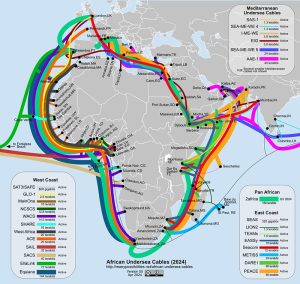
deep sea cables off Africa | Vox | Internet Connectivity Failover: How Vox Keeps You Online During Subsea Cable Outages

On 14 March 2024, four subsea cables were cut in the ocean off West Africa, namely the WACS, ACE, SAT3 and MainOne cables. Service providers had to move quickly to try and re-route traffic and mobilise a cable repair ship to head off to that part of the globe to fix it. The reason for this massive simultaneous break of four separate cables was a deep-sea landslide off the coast of West Africa.

A few months later, on 12 May, the East Coast of Africa went down, but this time the reason that multiple countries saw reduced Internet connectivity was due to human activity.

The SEACOM and EASSy submarine cables were damaged off the coast of KwaZulu-Natal by a dragged ship’s anchor – something that happens quite often, as well as occasions when the trawler nets of big fishing vessels drag on the ocean floor and get tangled up with subsea cables.

New Casualties of War

Staying with human activity: the Red Sea is a bottleneck for global shipping as well as Internet and telecommunications cables. It opens in the Gulf of Aden, where the coastal country of Yemen has seen a civil war raging for the past 10 years.

data3MpSLzsy2ONckD rHumC aWptbzKw9vVST1EA1siRZ ioURQso4Lp9x 6rLfmXGWzOxnDI2T4qa9n2PJeBNY33opJp6L2249cgtY6k1qbr1Gm r FsTnXSdfC3850CloHhnsi | Vox | Internet Connectivity Failover: How Vox Keeps You Online During Subsea Cable Outages

In late 2023, Yemen’s Houthi rebels began targeting global shipping in the Red Sea with missile attacks. In addition, Internet connectivity between parts of Asia, Africa, and Europe suddenly slowed on 24 February this year when three Red Sea submarine cables were damaged. This caused a significant disruption to Middle East communication networks.

It turned out that the submarine cables were accidentally cut by the anchor of a sinking ship that had been struck by a missile fired by the Houthis a few days before. Even though deliberate sabotage was ruled out, the immediate result was that Middle East communications suddenly became an unexpected casualty of war.

Something Fishy

Did you hear the one about Google being attacked by sharks? (And no, this is not a trick question.)

Nobody really knows why sharks like to chomp down on deep-sea cables, but one theory is that they are attracted to the magnetic field created by the high voltage carried through the cables, which resembles those created by fish. Another theory is that they are just curious.

shark bites cable | Vox | Internet Connectivity Failover: How Vox Keeps You Online During Subsea Cable Outages

Back to Google – here’s footage of a deep sea shark inspecting the Google cable with its teeth in 2014. Since then, Google has taken pains to reinforce its submarine cables to protect them from shark damage. Presumably other cable providers have done the same.

Stay Connected with Vox

Internet communications are an integral part of global life today, with massive knock-on effects when deep-sea cables are cut – and so failover (or backup) solutions are critical for countries and organisations everywhere.

In the event of a Fibre outage, Vox Fixed LTE-A and 5G offerings – which are wireless offerings and not cable-based – can provide Failover solutions that will automatically switch you over to a Fixed LTE-A or 5G network as a backup connectivity medium.

Vox Fixed LTE-A and 5G solutions allow homes and businesses to stay running at all times, to ensure uninterrupted Connectivity. In addition, business continuity can be enhanced by transferring Vox Data, VoIP and PBX solutions onto the failover Network, with various data bundles available to meet budgetary and operational requirements. Month-to-month contracts (with no long-term commitment required) are also offered.

And so if – or rather when – sections of the internet go down in the future due to deep-sea cable damage, Vox Fixed LTE-A and 5G solutions offer the ultimate backup plan for uninterrupted access to the Internet, to make sure that you and your business always stay connected.

This means no more interrupted Internet, staying connected in the face of disruptive events, and keeping things – quite literally – ‘business as usual’.

The Benefits of Switching to Fibre Optic Internet

Fibre optic Internet uses light through glass Fibres to deliver far higher speeds and steadier performance than copper ADSL, making it ideal for streaming, gaming, remote work and business continuity.


Why would you NOT want to make use of the speed of light?

Because let’s face it: nothing in the current known universe is faster.

Except for The Flash, who can apparently run 13 trillion times faster than the speed of light.

81sicgpYcjL. AC UF10001000 QL80 | Vox | The Benefits of Switching to Fibre Optic Internet

The DC Universe aside, the speed of light is an amazing thing. According to Einstein’s theory of relativity, it’s the fastest speed in the universe: 300,000 kilometres per second in optimal circumstances.

It’s even more amazing to think it can be used to power our Internet usage.

But this only happens if your Internet service provider is using Fibre Optic cables. If your service provider is still using copper lines as the (much) older technology, Internet at the speed of light is completely out of the question.


How Fast Do You Want to Go?

Internet speed means the speed at which information or Data travels from the web to your connected device. It’s calculated in megabits per second (Mbps) and the downloading speed (getting information from the Internet to your device) is often higher than the uploading speed (the other way around – sending information from your device to the Internet).

In the old days, our Internet connections were only able to run on ADSL (Asymmetric Digital Subscriber Line). ADSL uses telephone lines (Telkom lines) to transmit Data along copper cables from your nearest telephone exchange to your home or office. These are frequently unreliable and heavily shared among users – which slows down the possible speed of your connection.

Two factors slow down ADSL speed significantly:

  • Distance:The further away you are from the exchange, the greater the distance the Data has to travel, and the slower your Internet.
  • Traffic:When copper cables experience more traffic, the wires heat up and the connection slows.


It’s a bit like driving on the highway: when you’re the only driver on the road, you can reach a very satisfying speed, but when it gets crowded, traffic slows down. ADSL can provide average speeds of approximately 4Mbps.

In contrast, Fibre Optic technology transmits Data as light impulses along flexible glass Fibres, enabling users to achieve speeds that are about 500 to 1,000 times faster than your average ADSL line. So how does the marvellous invention of Fibre Optic cables use this speed for Internet services?

  • Fun fact: The first actual Fibre Optic cable was invented in 1952 by UK-based Indian-American physicist, Narinder Singh Kapany, who was a pioneer in the field of Fibre Optics and popularised the term.


Harnessing the Speed of Light for Communications

Fibre to the Home (FTTH) and Fibre to the Business (FTTB) services use Optical Fibre to deliver high-speed Internet directly to individual buildings. These Fibre Optic cables, composed of strands of glass, transmit Data using light pulses. Users can achieve incredible speeds of up to 1,000Mbps.


Fibre optic internet


Some of the benefits of Fibre Optics include the following:

  • High speed: Starting with the most obvious point, Fibre Optics brings you the best available speed within the current Internet landscape.
  • Reliability: Lots of ‘hiccups’ take place during transmission in a copper cable Internet, all the time. With Fibre Optic Internet, a smooth and constant flow of Data means this no longer happens.
    • Fun fact: This is important for gamers, where a small blip at the wrong moment can lose the game.
  • No difference between upload and download speeds: Depending on your needs, you can choose an Internet package that gives you symmetrical speeds for both downloading and uploading. With ADSL copper cables, this isn’t possible (it’s in the name, after all: Asymmetric Digital Subscriber Line).
  • Connecting multiple devices: The steady signal, with more bandwidth, means you can connect with multiple tablets, laptops, smart TVs and phones at once. Even with different people streaming music and video simultaneously, Fibre Optics can handle the load.
  • Safety and security: Unlike copper wires, Fibre Optic cables have no second-hand value for criminals, which means cables are not usually targeted for theft. They are also much less easy for cybercriminals to hack.
  • Higher quality: Ultra High-Definition TVs pack significantly more pixels into the same area, which makes for better images, but also uses more bandwidth. For Fibre Optic networks, it’s not a problem.
  • Consistent reliability: Fibre Optic cables are less susceptible to interference from weather conditions or other devices, so you’re less likely to experience outages or slow speeds on your network during peak usage times.


It’s clear that Fibre Optic networks are capable of much greater speeds and bandwidth than copper-based ADSL. In recent years, prices have also come down substantially.

Why not look into Fibre to the Home from Vox? Just plug in your home address and a map will show you all our Connectivity options available in your area.

What are you waiting for? Move towards the light!


FAQs

Q: How fast is Fibre compared to ADSL?
A: Fibre commonly delivers speeds up to 1 000Mbps and can provide symmetrical upload/download rates; ADSL typically delivers much lower, asymmetric speeds that decline with distance from the exchange.

Q: Can Fibre handle multiple devices streaming at once?
A: Yes, Fibre offers greater bandwidth and steadier throughput, so multiple users can stream, game and work simultaneously without noticeable slowdowns.

Q: Is Fibre more secure than copper?
A: Fibre is harder to tap and has little resale value for thieves, making it more secure physically. It also supports network configurations (VLANs) that improve data separation and security.

Q: What’s the difference between Vox Fibre to the Home and Vox Fibre to the Business?
A: Vox Fibre to the Home targets residential customers with high‑speed packages for streaming and everyday use. Vox Fibre to the Business offers dedicated options, lower contention ratios, VLANs and support packages tailored to commercial needs.

Q: How do I check if Vox Fibre is available in my area?
A: Plug in your home address on the Vox availability page and select ‘Connect me’ to check availability and see current connectivity options for your location.


Fibre optic internet

Cyber Space? No, Cyber Oceans…

How the Internet is powered in the depths of the sea

Subsea cables, which are bundles of fragile glass Fibre protected by heavy armour, carry roughly 98% of international internet traffic, linking continents via light pulses and landing stations that connect to national Fibre networks.

Did you ever wonder how the Internet reaches across oceans so that we can communicate – via Email, social media or Internet Voice functionality – between South Africa and the rest of the world? And how is it that, in the blink of an eye, a local gamer can execute a tactical manoeuvre with a team-mate in England to annihilate an ‘enemy’ in Australia? And what enables us to download American-made YouTube videos and watch X rants in real time from Donald Trump?

The Internet is able to reach across oceans like this because a huge chunk of it is actually placed in the oceans. Many people don’t realise that around 98 percent of international Internet traffic is carried around the world by subsea cables.

Let’s take a look.

The Hidden Deep-Sea Internet Highway

The Internet ‘superhighway’ joins continents and countries through both subsea as well as terrestrial cables. The data wires in this interconnected web bring high-speed Internet access to all parts of the globe, through around 1.5 million kilometres of cable criss-crossing the ocean floor.

These cables are laid on the seabed at an average depth of 3,600 metres. Today, there are about 500 subsea cables that are either live or under construction, and if their total lengths were combined, they could stretch – roughly – from the Earth to the moon, about three times over.


TeleGeography submarine cable map headline | Vox | Cyber Space? No, Cyber Oceans…
Image courtesy of https://www.submarinecablemap.com/


The cables are typically funded by the telecom industry, sovereign nations and technology companies such as Facebook and Google. So the reality is that the backbone of the planet’s Fibre cables are deep in the sea, quietly linking people and businesses to each other, all the time (except when something happens, but that’s a different story).

Thin Cables, Extraordinary Power

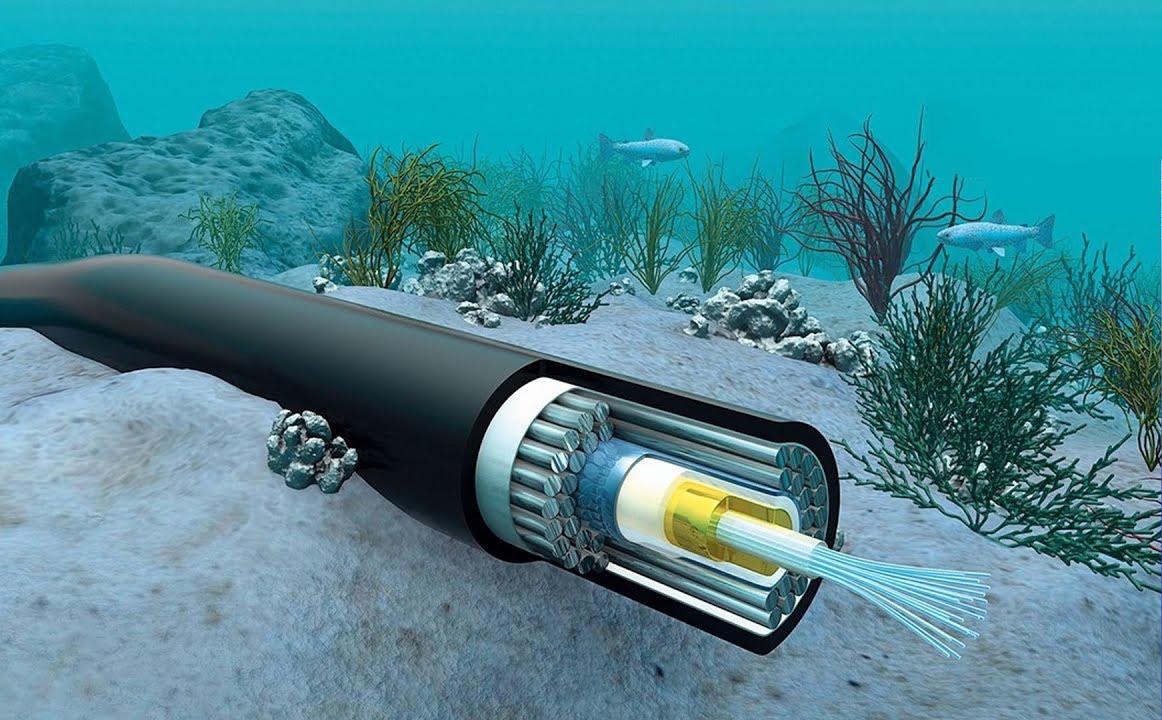
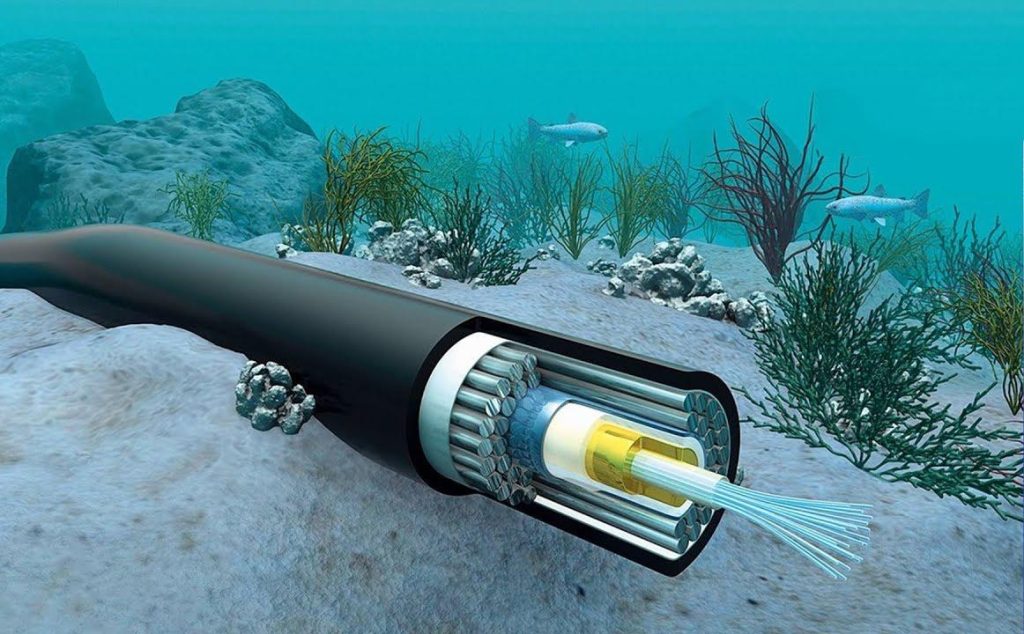
Fibre Optic cables transfer data across the world in the blink of an eye via light pulses, which travel through fragile wires just thicker than a needle. Fibre Optic cables are tiny tubes made of glass or plastic, which are in turn protected by multiple layers of hard materials like metal and rubber.


cabo submarino | Vox | Cyber Space? No, Cyber Oceans…


A single Fibre Optic can transmit 100 gigabits of data a second, with new cables able to transmit around 400 gigabytes per second. Thousands of Fibre Optics get bundled together and insulated, making one Fibre cable.

Subsea cables typically include a protective jelly around Fibre Optic cables and are also contained within multiple layers of plastic and copper wires. Under the water, ‘repeaters’ are connected at certain points. They amplify the signal and boost signal strength over long distances. The copper wires contained within the cable casing carry around 10 000 volts of electricity to power these repeaters.

The bottom line (pardon the pun) is that both within the sea and on land, the fine tubes that carry data packets at the speed of light need to be protected, which makes the cable overall – once properly wrapped up and protected – look much bigger than the thin part that actually does all the work.


underseacable | Vox | Cyber Space? No, Cyber Oceans…


From Sea to Land

When subsea cables under the world’s oceans reach the shore, they are then connected to landing stations, which are an essential part of the Fibre network infrastructure – they distribute the data carried on the networks, joining the submarine cables to terrestrial cables.

For example, there’s a landing station in Mtunzini in KwaZulu-Natal, where the SEACOM cable reaches South African shores. This cable connects the subsea cable directly to a data centre in Midrand, Johannesburg.

Once plugged into the landing stations on shore, the cables take on their overland mutation and are distributed by FNOs (Fibre network operators). The FNOs are responsible for deploying, managing and maintaining Fibre Optic networks – their role is the physical infrastructure, or, in short, running the cables under and next to roads and buildings.

Be Connected with Vox

As an Internet Service Provider (ISP), here at Vox we don’t physically lay the cables ourselves, but instead partner with a number of FNOs around the country to bring South Africans high-speed Fibre to the Home (FTTB) and Fibre to the Home (FTTH) offerings. Some of our local FNO partners include Openserve, Vumatel, Frogfoot, Metrofiber Networx and Octotel (you can find out more here).

An ISP – like Vox – provides Internet access to businesses or residential customers. An ISP’s role is to operate on top of the existing network infrastructure and manage services by offering different plans and packages based on speed and other features.

So next time someone talks about cyber ‘space’, you can point them in the right direction – that it’s mostly all about the ‘cyber oceans’. Except, of course, when it comes to a small section of Internet connectivity that’s powered by Satellite in outer space (just to talk about actual space here for a second).


Featured Image Content Hub Vox launches high speed uncapped data and voice satellite plans | Vox | Cyber Space? No, Cyber Oceans…


Satellite really comes into its own in regions where Fibre cables can’t be laid, perhaps because of rough terrain (like mountains) or because the area is just too remote. Vox also offers Satellite services – because as modern life becomes increasingly dependent on the Internet, reliable connectivity is more important than ever before.

Whether it’s for following the news, being connected for work, gaming, staying in touch with friends and family, or streaming shows and movies in your down-time, it’s great to live in today’s connected world. Whatever your needs, Vox will get you connected and keep you in the conversation.


Frequently Asked Questions

Q: What are subsea (submarine) cables and why do they matter?
Subsea cables are bundles of Fibre optic strands laid on the ocean floor that carry roughly 98% of international internet traffic. They form the global backbone that determines international speed, latency and reliability for streaming, gaming and global business traffic.

Q: Does Vox lay subsea cables?
No, Vox does not lay subsea cables. Instead, we partner with Fibre Network Operators (FNOs) and make use of landing‑station capacity so we can deliver international bandwidth into South Africa and on into local networks.

Q: How do subsea cables affect my home or business connection?
Subsea capacity affects international latency and throughput. Good access to landing stations and local distribution networks means smoother streaming, faster international downloads and better performance for cloud apps and gaming.

Q: How can I check if Vox Fibre is available at my address?
Plug in your home address on the Vox availability tool and select ‘Connect me’ to see whether Vox Fibre to the Home is offered at your location.

Q: What if Fibre isn’t available where I live?
Where Fibre is not yet available, for example in very remote or rugged areas, Vox offers Satellite services as an alternative to keep you connected.

Q: What support and contract options does Vox offer for business and residential Fibre?
Vox provides 24 / 7 / 365 support at no extra monthly cost and a range of contract terms to suit different needs. Business Fibre can include dedicated options, static IPs and VLANs; residential plans may offer zero upfront fees on qualifying 36‑month contracts. Contact Vox for package details and tailored service options.

Closing the Door on Cyber Intruders Breaking into Your Home Network

Cyber intruders don’t need to be tech geniuses to cause havoc — they look for easy targets: weak Wi‑Fi, default passwords and unsecured smart devices. Here’s a practical, no‑fuss guide to locking down your home network so your family, devices and data stay safe.

Start with the router — the front door to your network

  • Change the default admin logins straight away. If your router still uses the factory username and password, you’re inviting cyber intruders in.
  • Use a strong, unique password for both your router login and Wi‑Fi network (passphrases of 16+ characters are ideal).
  • Enable the strongest Wi‑Fi encryption available (WPA3 if supported; otherwise WPA2 with AES).
  • Turn off WPS (Wi‑Fi Protected Setup). It’s convenient, but also an easy way for cyber intruders to break in.

Keep firmware and devices up to date

  • Update router firmware regularly. Manufacturers release patches that fix security holes cyber intruders can exploit.
  • Apply updates to all connected devices — phones, laptops, smart TVs, cameras and other IoT devices.
  • If a device no longer receives updates, consider replacing it. Unpatched hardware is an open invitation to cyber intruders. We offer affordable rental options on Wi-Fi Mesh units to make this process as easy as possible for you.

Segment your network

  • Create a guest network for visitors and a separate network for IoT devices (smart lights, thermostats, cameras).
  • Segmentation limits what an attacker can reach if they compromise one device — it keeps your work laptop and personal files safer.

Lock down smart devices

  • Change default usernames and passwords on every smart device.
  • Wherever possible, disable features you don’t use (remote access, UPnP).
  • Review device privacy settings and remove unnecessary integrations.

Use multi‑factor authentication and strong passwords

  • Enable multi‑factor authentication (MFA) on accounts that support it — email, cloud storage, and smart device accounts.
  • Use a password manager to create and store unique passwords for every account. Reusing passwords makes it easier for cyber intruders to move across services.

Add extra layers: VPNs, firewalls and monitoring

  • Use a reputable VPN when on public Wi‑Fi and consider a VPN for your home network if you need privacy from third‑party snooping.
  • Activate your router’s firewall and enable basic intrusion detection if available.
  • Consider a simple network monitoring app or the router’s built‑in tools to spot unfamiliar devices. Early detection reduces the damage cyber intruders can do.

Back up and prepare for incidents

  • Keep regular backups of important files (offline or encrypted cloud backups).
  • If you suspect a breach, disconnect the affected device, change passwords and, if needed, reset the router to factory settings and reconfigure securely.
  • Keep a list of device default credentials, firmware versions and support contacts for quick reference.

Family habits that make a difference

  • Teach household members not to click suspicious links or open unknown attachments — phishing is a common route for cyber intruders.
  • Limit admin access to the router and devices to one or two trusted people.
  • Regularly review which devices are connected and remove anything unfamiliar.

Quick checklist — secure your home against cyber intruders

  • Change default router logins and Wi‑Fi SSID/password
  • Use WPA3 or WPA2 (AES) encryption
  • Disable WPS and remote admin if unused
  • Create guest and IoT networks for segmentation
  • Keep router and device firmware up to date
  • Use MFA and unique passwords (use a password manager)
  • Enable router firewall and basic monitoring
  • Regular backups and a response plan

Securing your home network doesn’t have to be complicated. Start with the router, lock down smart devices, and teach the family safe online habits — these simple steps make life harder for cyber intruders and keep your home safer.

Frequently Asked Questions

  1. What is a cyber intruder?
    A cyber intruder is anyone or any software that gains unauthorised access to your devices or network to steal data, spy or cause damage.
  2. How can I tell if my home network has been breached?
    Signs include unusually slow internet, unknown devices showing as connected, unexpected pop‑ups, or unusual account activity. If you see these, investigate and change passwords.
  3. Is my smart TV a security risk?
    Yes — any Internet‑connected device can be a risk if it runs outdated software or uses default credentials. Update your smart TV and change default passwords.
  4. How often should I update my router firmware?
    Check for firmware updates monthly and install them as soon as they’re available. Critical patches should be applied immediately.
  5. Do I need a VPN at home?
    A VPN adds privacy and can protect data in specific scenarios, but it’s not a substitute for basic network security like strong Wi‑Fi encryption and updated devices.

How 5G Networks Can Strengthen Your Business Cybersecurity

The rollout of 5G technology is revolutionising more than just network speeds—it’s reshaping enterprise cybersecurity. With stronger encryption, smarter authentication, real-time monitoring, and network segmentation, 5G delivers an advanced security framework that helps businesses proactively defend against cyber threats.

Below, we explore how 5G enhances cybersecurity and strengthens your company’s digital resilience.

Key Cybersecurity Benefits of 5G Networks

  • Enhanced data encryption

  • Stronger privacy protection

  • Network slicing for isolated security zones

  • Multi-layered authentication

  • Real-time threat monitoring and anomaly detection

  • Edge computing security advantages

  • Automated security responses

  • Secure connectivity for large device ecosystems

  • AI and machine learning-driven threat prevention

  • Improved global roaming security

Let’s unpack how these 5G capabilities work to secure your business.

1. Enterprise-Grade Data Encryption

5G introduces next-generation encryption, including 256-bit encryption standards and advanced cryptographic algorithms—future-proofing networks, even against emerging quantum computing threats.

Why this matters:
Sensitive business data is significantly harder to intercept or decrypt, drastically reducing exposure to cybercrime.

2. Stronger Privacy & Identity Protection

Unlike 4G, 5G masks user identities using a Subscriber Concealed Identity (SUCI) instead of transmitting personal identifiers in plain text.

What this means for business:
Better protection for confidential internal data, customer profiles, and proprietary information.

3. Network Slicing: Custom Security Zones for Your Business

5G allows multiple isolated virtual networks to run on the same infrastructure. Each can have tailored security controls, access rules, and monitoring.

Security advantage:
If a breach occurs in one slice, it can be instantly quarantined—leaving the rest of the network untouched.

4. More Secure Authentication

5G strengthens access control through:

  • Multi-factor authentication (MFA)

  • Secure device verification

  • Asymmetric encryption-based identity validation

Result:
Fewer risk points, less impersonation, and tighter access control across networks and connected devices.

5. Real-Time Threat Monitoring and Detection

Powered by machine learning analytics, 5G monitors networks in real time to detect unusual activity and security anomalies at internet scale.

Security outcome:
Faster detection = faster response = fewer breaches.

6. Edge Computing for Reduced Attack Surfaces

5G can process data closer to its origin rather than routing everything through central servers.

Benefits include:

  • Lower risk of data exposure

  • Faster incident response

  • Fewer network choke points for attackers

7. Automated Cybersecurity Response

5G networks can support self-automated threat detection and mitigation, reducing reliance on manual intervention.

Impact on business:
Shorter vulnerability windows, fewer successful exploits, and less operational downtime.

8. High-Volume Device Security

With capacity for up to 1 million connected devices per square kilometre, 5G delivers scalable, secure support for large device ecosystems.

Security benefit:
Centralised security oversight, real-time monitoring, and stronger endpoint protection across massive connected environments.

9. AI-Driven Cyber Defence

The ultra-low latency and high throughput of 5G allows AI and machine learning security models to respond instantly to emerging threats.

Bottom line:
Cybersecurity becomes predictive, not reactive.

10. Safer Global Roaming & Network-to-Network Security

5G replaces outdated roaming protocols like SS7 and Diameter with the Security Edge Protection Proxy (SEPP)—creating a unified, encrypted communication layer between global networks.

Advantage:
Improved protection for businesses operating across borders, especially those with mobile or roaming workforces.

5G Is a Major Leap Forward for Business Security

5G is no longer just about faster internet—it is a cybersecurity enabler that provides:

  • Stronger encryption

  • Smarter authentication

  • Intelligent threat monitoring

  • Network isolation and control

  • Faster automated responses

For businesses navigating an increasingly unpredictable digital threat landscape, 5G delivers a future-ready security foundation.

🔐 Secure Your Business with 5G-Enabled Cyber Protection

The companies that adopt 5G aren’t just upgrading their networks—they’re upgrading their security strategy.

Want to explore how 5G can protect and enable your business? Get in touch with Vox to future-proof your organisation today.

5G’s Role in Enhancing Business Communications and Operations

Not Just Entertainment: The Future of 5G in Business Communications

5G was developed to handle the growing demand for data and deliver faster, more efficient mobile networks. In doing so, it brings major improvements to how we connect, work, and communicate. While most people get excited about 5G for entertainment — lightning-fast downloads or smoother gaming — the real game-changer lies in what 5G can do for business communications and business operations.

Why Effective Communication Still Decides Business Success

Business communication — internal and external — is the backbone of operational success. When communication is strong, companies see higher productivity, quicker problem-solving, better relationships, and healthier company culture.

DecisionWise, a global consulting firm, found:

  • Companies with low employee engagement earn 32.7% less in operating income compared to engaged companies.

  • Companies with a highly engaged workforce see operating income rise by 19.2% within 12 months.

The message is simple: when communication improves, engagement improves, and the bottom line follows.

How 5G Transforms Business Communications

5G theoretically delivers up to 20Gbps download speeds, 10Gbps uploads, and latency as low as 4ms. Tests in South Africa reached average speeds around 250Mbps, equivalent to high-end fibre.

Its biggest strengths — speed, latency, bandwidth and efficiency — directly improve how companies communicate, collaborate, and operate.


1. Faster Speeds for Instant Collaboration

5G can reach speeds up to 100x faster than 4G LTE.
This means:

  • Faster file transfers

  • Smoother video calls with clients and teams

  • Instant software updates

  • Faster access to cloud platforms and business tools

For fast-paced businesses, speed equals efficiency.


2. Ultra-Low Latency for Real-Time Performance

Latency is the time it takes data to travel from point A to point B. With 5G, latency drops to 1 millisecond — compared to 30–50ms on 4G.

Ultra-low latency benefits:

  • Real-time communication tools

  • Live collaboration

  • AI-driven decision-making

  • Virtual reality (VR) and augmented reality (AR) applications

  • Data-heavy IoT devices

Web pages load faster, systems respond instantly, and real-time technologies finally work the way they’re supposed to.


3. More Bandwidth for More Devices

Modern workplaces rely on multiple connected devices. 5G’s increased bandwidth allows:

  • More IoT devices operating at once

  • More users connected without slowdowns

  • Better performance in high-density environments

  • Reliable smart office automation

As businesses add more tools, sensors, and platforms, bandwidth becomes non-negotiable.


4. Improved Network Efficiency and Reliability

5G introduces technologies like:

  • Dynamic spectrum sharing

  • Network slicing

Both ensure users get the network resources they need without interruptions — even during peak usage.

This allows businesses to:

  • Automate processes

  • Host high-quality web conferencing

  • Enjoy consistent, reliable connectivity

  • Reduce downtime and performance bottlenecks

Reliable networks aren’t a luxury. They’re a requirement.


The Future: 5G Unlocks the Next Wave of Innovation

5G doesn’t just improve communication — it enables entirely new business models and capabilities.

5G supports advanced technologies such as:

  • Internet of Things (IoT)

  • Artificial intelligence (AI)

  • Augmented reality (AR)

  • Virtual reality (VR)

These aren’t new concepts, but 5G finally gives them the infrastructure to scale.

For example, VR in education and training is already accelerating. Forbes projects the global VR education market to reach US$13 billion by 2026.

With 5G, innovations like VR classrooms, remote diagnostics, AR-assisted engineering, and predictive automation move from “future tech” to daily reality.


Bring Your Business Comms Into the Future with 5G

The advantages of 5G — speed, low latency, bandwidth, and efficiency — make it a powerful upgrade for any organisation looking to improve productivity and communication.

If you’re ready to modernise how your business connects, collaborates, and operates, explore the 5G offerings from Vox.

The future of business communication is already here. 5G just makes it faster, smarter, and more capable.

Sustainability and Telecom Businesses: Why Green is the Way to Go

Business Benefits for Organisations Aiming to Reduce their Carbon Footprint

We are living in interesting times.

A number of local events so far are all pointing to this year going down in history as being a big one. To name just a few, this includes the 2024 local national elections resulting in a Government of National Unity (GNU); the recent floods in parts of the country, including the Western and Eastern Cape areas and KZN; and an actual tornado in the Durban area.

This year’s local historic events also include the 2024 Springbok Home Fixtures Rugby series, which is truly juicy (and did you know that you could win double tickets with Vox?).

So it’s a big year for South Africans.

But if we circle back to those extreme weather incidents, it reminds us that the planet seems to be fighting back against humanity’s eco-unfriendly practices – and let’s face it, no one wants a tornado to hit one of those big rugby games.


Durban Tornado 2024 | Vox | Sustainability and Telecom Businesses: Why Green is the Way to Go
Tornado near Tongaat, Durban, in June 2024 (Image courtesy of The Witness)


More seriously: the call to action for businesses and consumers alike must therefore be: Embrace Sustainability.

(And the same goes for the GNU also, of course, but that’s a ‘wilde-beast’ of a story all on its own.)


For the Planet – And Future Generations

Most people today agree that people – individuals, organisations, countries – MUST become more environmentally sustainable. We all rely on the Earth’s resources for the air that we breathe; water to drink; plants and animals for food; wood and metals for construction; and fuels, whether fossil or renewable, for energy resources.

If we use them up too fast, and if we burn energy unsustainably so that it over-heats the planet, these resources won’t be there fore future generations. We must bring our consumption in line with what our planet can support.


Spotlight On the Telecommunications Industry

businessman 2682712 1920 geralt Pixabay | Vox | Sustainability and Telecom Businesses: Why Green is the Way to Go


The telecoms industry is vital for allowing our world to remain connected – but it also has a considerable negative impact on the environment.

Data centres on their own account for about one percent of the world’s electricity use, and the telecom industry overall produces about three to four percent of global CO2 emissions. To put this into perspective, it is twice as much as the civil aviation industry[1].

This is quite a significant amount to come from an industry that at first glance doesn’t seem to be directly associated with environmental concerns.

In addition, the telecoms sector also contributes to electronic waste through rapid device turnover, when outdated cell phones, modems and routers often end up in landfills, creating an additional environmental challenge.

With the growing concern over climate change, the telecoms sector is now embracing more sustainable practices, aiming to reduce its carbon footprint significantly.

Solutions to reduce carbon footprint in the telecommunications industry include the following:

  • Embracing renewable energy: In moving towards reduced carbon emissions, it makes sense to shift towards renewable energy sources such as solar and wind power to run data centres and network operations.
  • Smart energy management in operations: Energy consumption and in turn operational costs can be reduced by upgrading equipment to more energy-efficient models, optimising network operations, and implementing smart cooling systems in data centres.
  • Equipment sustainability: Manufacturers can design more durable devices that are easy to repair and upgrade, which will extend their lifespans.
  • Creating a circular economy: Programmes for the recovery and recycling of electronic equipment contribute to reducing electronic waste overall.
  • Eco-friendly infrastructure development: Adopting eco-friendly design and construction practices for new infrastructure sites includes using sustainable materials, minimising land use, and ensuring that new projects have a low environmental impact.


The carbon footprint of telecommunications presents significant environmental challenges, but there is hope. Through initiatives like renewable energy usage, equipment sustainability, and consumer and business awareness, real progress can be made in reducing its impact.

At the same time, extreme weather conditions such as flooding, storms, a lack of water, and wildfires have potentially disastrous consequences for telecommunications, causing damage to infrastructure and essential equipment, as well as business- and supply-chain interruption. If the world as a whole embraces sustainability issues, we can hope to reduce these natural disasters.


Business Benefits for Telcos in Going Green

As far back as 2022, multinational professional services experts Ernst and Young (EY) urged South African businesses to embrace sustainability issues voluntarily before they were made essentially compulsory for all. However, never mind being forced to embrace global trends: there are actually intrinsic business benefits for telcos around the world, including locally, in ‘going green’ anyway.

  • Energy cost reduction feeds into improved OPEX: In 2023 the GSMA, the global technology standards organisation for mobile operators from over 100 countries, published a report entitled: “Green is good for business: making the financial case in telecoms”.

According to the report, mobile telecom operators can potentially reduce operational expenses (OPEX) by 4% through a 20% reduction in energy costs, achieved by implementing power-saving technologies such as 5G, artificial intelligence (AI), and lithium-ion batteries.

  • New customers: Additionally, the report notes that customers worldwide are willing to support telecom operators that invest in sustainability. The study reveals that 30 to 60 percent of telco subscribers surveyed in 16 countries would be willing to pay more for mobile airtime tariffs certified as carbon neutral.
  • Reputational wins: In a follow-up report entitled: “Green is good for business: the reputational in telecoms”, the GSMA notes: “The reputational impact of corporate green credentials and actions extends to brand perception and purchasing decisions. …Analysis of data from a recent GSMA Intelligence survey indicates that 60 percent of people, on average across 16 countries studied, consider climate or sustainability criteria an active part of product purchasing.”


The lesson is clear: by investing in sustainable practices and driving the adoption of digital solutions, telecom operators can contribute to their own financial success through reduced energy and operating costs, a potential increase in eco-friendly customers, and reputational and branding wins, while simultaneously supporting global sustainability efforts within the industry overall.


Proudly Green

The journey towards a smaller carbon footprint in the telecom industry is complex and requires a multi-faceted approach. This commitment benefits the environment and also sets a new standard for responsible business practices in the digital age.

Overall, reduced energy consumption, the adoption of renewable energy sources and the implementation of a carbon reduction strategy are the three vital elements that must work in tandem for a telco to be considered green.

Vox is always proud to work with telecommunications partners that are committed to environmental sustainability issues, for the overall benefit of the country and the planet in turn. After all, you just have to look at our own branding to know that our blood runs green (and gold).


[1] https://explore.intellias.com/hubfs/Whitepapers/Intellias_Sustainability_In_Telecom_Whitepaper.pdf  page 4

From Smart Homes to Flying Cars: How 5G Could Change the Future

Chris Boshoff unpacks how 5G technology has the potential to affect various aspects of everyday life, from streaming to smart homes – sooner than you’d think.


There’s a huge buzz today around the arrival of 5G, the latest advancement in wireless technology that has the potential to revolutionise our digital landscape – and with it our daily lives.

From incredibly fast data transfers to enabling smart homes and cities, 5G is set to be a game-changer. The fifth generation of wireless technology is expected to transform how we connect and interact with the digital world. Just imagine our current internet capabilities, but significantly enhanced – for example, with download speeds up to 100 times faster than 4G – and that’s what 5G is all about.

What the Current Hype is All About

5G technology is revolutionising the way we experience mobile connectivity, bringing a host of benefits to everyday life. Developed to manage the growing demand for data and enhance the efficiency of mobile networks, 5G delivers a range of improvements that make our digital interactions faster and more reliable.

One of the standout features of 5G is its peak speed capabilities. With 5G, downloading movies, streaming videos, and accessing apps and music happens in mere seconds. This increased speed translates to a smoother and more enjoyable user experience, reducing wait times and frustration.

In addition to speed, 5G significantly reduces latency, meaning the delay before a transfer of data begins following an instruction. This low latency ensures that web pages load almost instantaneously and that new applications, such as artificial intelligence (AI), the Internet of Things (IoT), and virtual reality (VR), perform efficiently and seamlessly.

5G also enhances network reliability and availability. With a more stable connection, users can enjoy uninterrupted service even in high-traffic areas or during peak usage times. This improved reliability is beneficial for personal use while also offering substantial advantages for businesses. Companies can leverage 5G to automate processes, engage in advanced web conferencing, and maintain consistent, high-quality connectivity.

The increased network capacity of 5G supports a higher volume of connected devices, making it easier to manage multiple smart devices and IoT applications simultaneously. This capacity is crucial for accommodating the growing number of connected gadgets in homes and workplaces.

Theoretically, 5G offers data transfer speeds of up to 20Gbps for downloads and up to 10Gbps for uploads, with a maximum latency of up to 4ms. Tests conducted in South Africa revealed average download speeds of around 250Mbps, which compares well to a fast fibre experience. Looking at the practical implications of 5G for both individuals and society is fascinating. When will this amazing new future arrive – and how much of it is here already?

With Vox, of course, your 5G offerings are already available.


‘Back to the Future’: Life Imitates Art

So that’s what 5G can already do in the present. Just for fun, let’s look at connectivity, Hollywood-style.

Remember the much-loved Hollywood cult classic, ‘Back to the Future 2’?

This movie, starring Michael J Fox as street-smart teenager Marty McFly and Christopher Lloyd as the ‘mad genius’ scientist Doc Brown, was filmed in 1989 (35 years ago). It predicted quite a lot of the technology that we know and love today.

Predicted in the movie and reality today:

  • Flat screen TVs
  • Video calls
  • Using biometrics to pay for items
  • Targeted personalised advertising
  • Nike self-lacing shoes
  • Smart watches


Predicted but not quite yet:


The point is that a movie which is still regularly streamed today has accurately predicted some of today’s technology like smartwatches, video calling, flat screen TVs, biometric security scanners and digital currencies.

And in all these instances, super-fast data connections, and significant data capacity, lie at the heart of the applications.


Moving Into the Future – With 5G

However, we could also think: “Well, never mind ‘Back to the Future’, this is all ‘Back to the Present’ – so where’s the real future?”

This is where discussing 5G brings us today’s ‘Into the Future’!

  • Enhanced mobile connectivity: Waiting for videos to buffer, or large files to download, will truly come to an end. Additionally, the quality of our communications is set to improve dramatically, so that video calls will feature crystal-clear images and seamless audio.
  • Business and manufacturing: Remote work could become smoother and more productive with high-quality video conferencing and faster file transfers. In manufacturing, 5G could power the next phase of industrial automation. The high bandwidth and low latency of 5G could enable more sophisticated robotics and real-time monitoring of production lines, potentially increasing efficiency and reducing downtime.
  • Internet of Things (IoT) revolution: 5G is set to be the IoT backbone, bringing us closer to the reality of truly smart homes and cities. Imagine a refrigerator that automatically orders groceries when supplies run low, or a heating system that learns your preferences and adjusts accordingly. On a larger scale, 5G will enable smarter, more efficient cities. Traffic management systems could adapt in real-time to reduce congestion, and energy usage could be optimised with intelligent streetlights. Already, in Los Angeles, more than 3,000 of the city’s street lights are providing extended cellular and data connectivity to LA residents with 4G and 5G service, and much of the equipment is embedded in the poles.
  • Automotive industry: 5G will play a crucial role in the development of connected and autonomous vehicles. Cars will be able to communicate with each other and with infrastructure, potentially reducing accidents and improving traffic flow.
  • Healthcare transformation: Wearable devices could transmit real-time health data to healthcare providers as a general reality for everyone, allowing for more personalised care. IoT capabilities can continue to facilitate the reality of drones delivering packages for medical and blood supplies, as well as vaccines, in remote areas – this area has huge potential to, if you’ll pardon the pun, really take off.
  • Education and remote learning: The use of mixed reality in education and training can promote deeper understanding. With the use of headsets, visors and sensors, teachers can explain complex concepts to students in a sensory-rich environment.
  • Entertainment and media: Streaming services will be able to offer higher quality content with less buffering. 4K and even 8K video streaming could become common, providing viewers with an unprecedented level of detail and immersion. Cloud gaming services could allow users to play graphically intensive games on mobile devices. The low latency of 5G could also improve multiplayer gaming experiences.


As outlined previously, LTE customers today who already have high data usage of over 500GB per month are ideal users to adopt 5G technology. Not only does 5G offer better speeds and deliver more data throughput, it also creates a much better user experience for high demand use, as indicated above.

Even if LTE customers are gaming fanatics, but don’t use a lot of data, 5G will benefit them since it provides the improved latency that they require.

Technology has already had a massive impact on the way we work, play and live. However, with the introduction of 5G, we’re at the beginning of a new technological revolution.

It’s not only about having access to faster internet; it’s about creating a more connected and responsive world. As for flying cars… that’s still up in the air.


Back to the future flying car | Vox | From Smart Homes to Flying Cars: How 5G Could Change the Future
Screengrab from ‘Back to the Future 2’